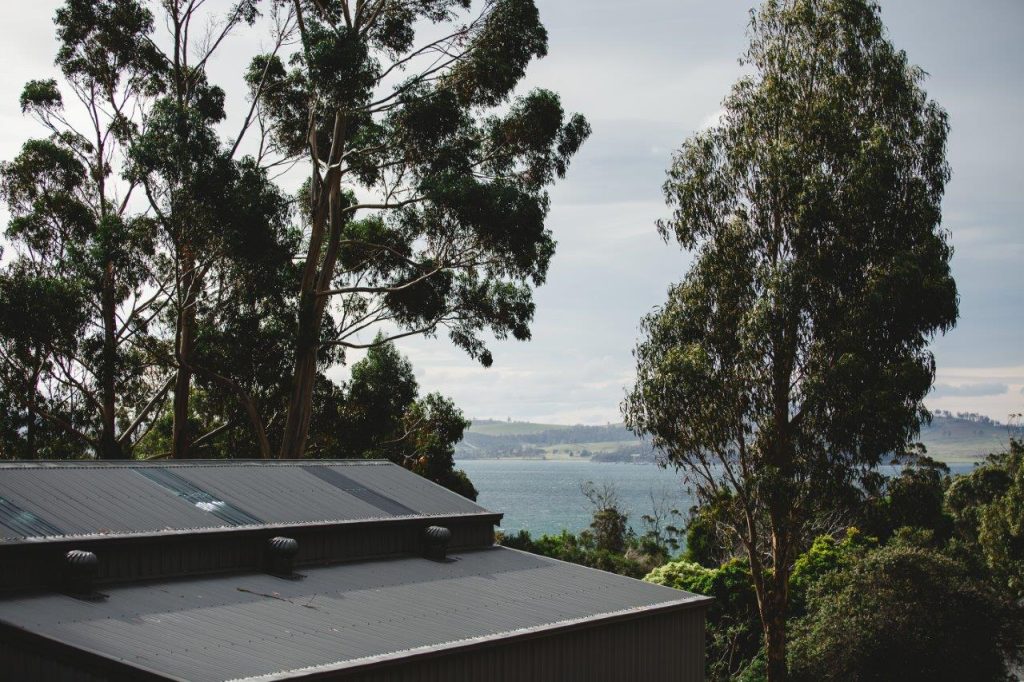
Credit: Spring Bay Distillery
For Singapore travellers seeking relief from year-round tropical heat, winter in Tasmania is emerging as one of the world’s most compelling “cool-cation” experiences — a place where misty mornings, crackling fireplaces, truffle hunts and whisky tastings replace beaches and humidity.
From June to August, Australia’s southern island transforms into a rugged yet luxurious winter destination built around food, wilderness, wellness and immersive seasonal experiences. Rather than slowing down during winter, Tasmania embraces what locals proudly call its “winter harvest” season.
As frost settles across valleys and mountains, travellers are increasingly drawn to Tasmania’s moodier, more atmospheric side — one defined by roaring fires, world-class spirits, hearty seasonal cuisine and intimate luxury escapes.
The trend is also being fuelled by changing travel habits among younger travellers.
According to a 2025 Booking.com trend report, 45 per cent of Gen Z and millennial travellers now prefer atmospheric winter and nighttime experiences over traditional tropical holidays.
Meanwhile, Expedia recently named Hobart among its top destinations for 2026, further boosting interest in Tasmania’s premium winter offerings.
At the heart of Tasmania’s winter appeal is its celebrated seasonal pantry.
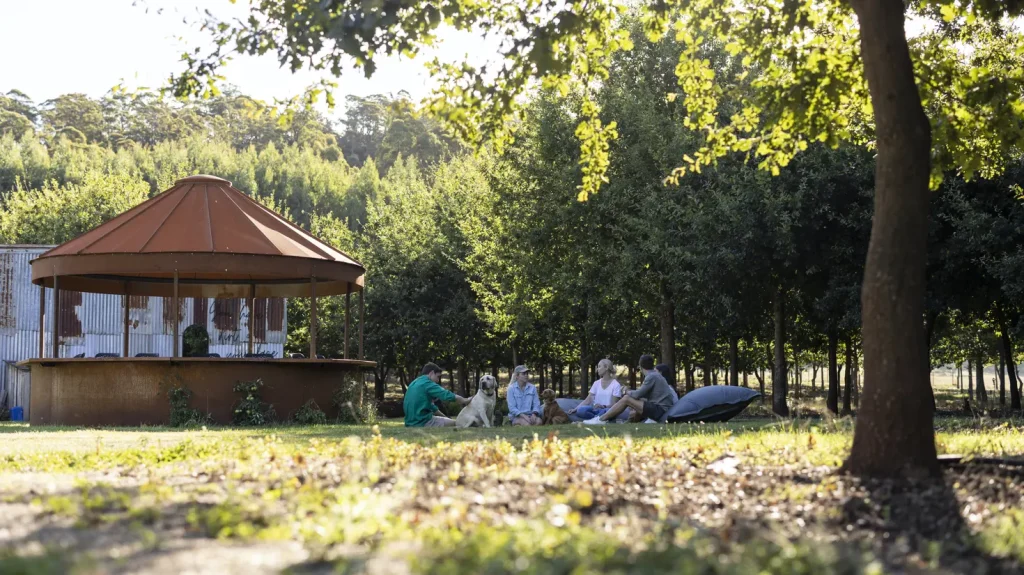 In northern Tasmania near Deloraine, visitors can join truffle dogs on early morning hunts through frost-covered farms in search of prized black truffles (above). The island is home to Australia’s first black truffle farm, where guests experience the earthy aroma of freshly unearthed truffles before retreating indoors for warm tastings beside wood fires.
The winter season also coincides with one of Tasmania’s most famous cultural events — Dark Mofo in Hobart.
Held across June, Dark Mofo’s Winter Feast transforms the waterfront into a dramatic medieval-style banquet illuminated by fire pits and red lights. Thousands gather around communal tables to enjoy fire-cooked meats, local wines, fermented dishes and experimental culinary creations celebrating the winter solstice.
The event has become internationally known for blending food, art, music and winter rituals into a uniquely Tasmanian experience.
For spirit lovers, August brings Tasmanian Whisky Week 2026, a statewide celebration of the island’s globally acclaimed whisky industry.
Tasmania has earned a reputation as Australia’s whisky capital, producing premium cool-climate spirits that consistently win international awards. During Whisky Week, visitors gain rare access to distilleries, bond stores and tasting rooms across the island while meeting master distillers and sampling limited-release drams.
Luxury winter stays have also become a major draw.
On Tasmania’s east coast, the newly opened Wineglass Bay Estate offers a high-end retreat overlooking Moulting Lagoon. The property features standalone luxury cabins styled in warm timber and earthy winter tones.
The estate is launching exclusive winter culinary weekends including truffle-and-caviar masterclasses and sommelier-led dining experiences paired with Tasmania’s renowned wines.
In the Tamar Valley, travellers can stay inside luxury vineyard domes designed for winter stargazing. Known as Domescapes in the Vines, the experience combines panoramic vineyard views, outdoor clawfoot baths and private wine tastings beneath crisp southern skies.
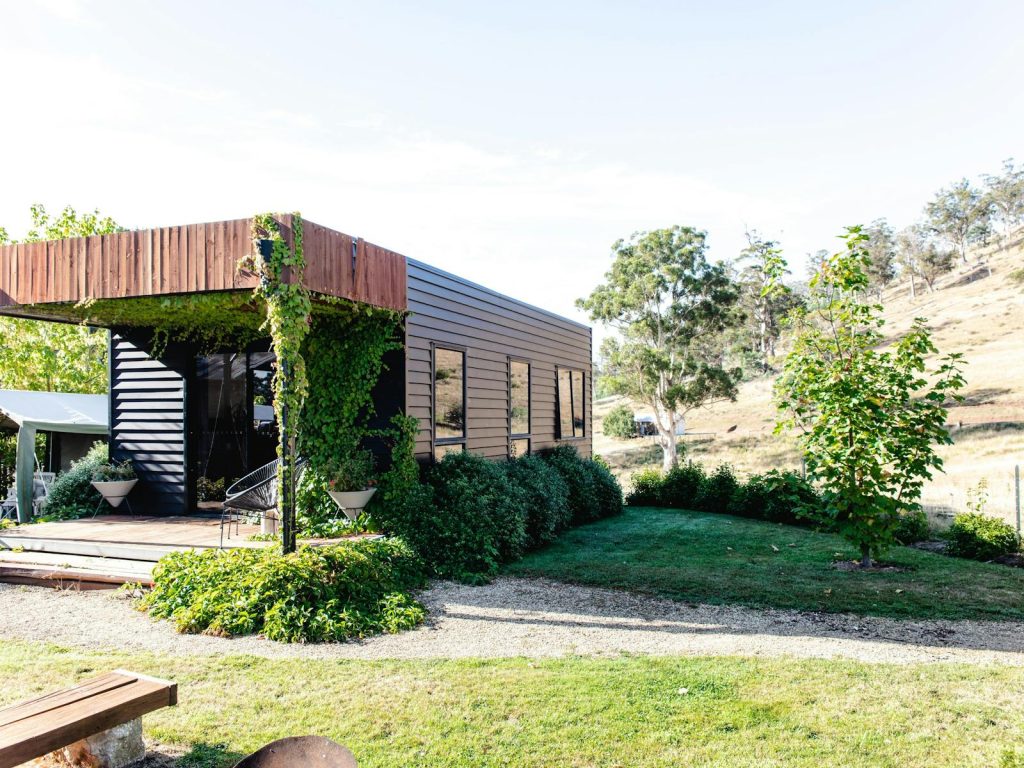 Further east in Buckland, FarmPod at Twamley Farm (above) offers eco-luxury accommodation on a working heritage farm dating back to the 1840s. Guests warm themselves in wood-fired cedar hot tubs before enjoying homemade pumpkin soup, pheasant terrine and East Coast pinot noir beside outdoor fire pits.
For travellers seeking complete seclusion, Pumphouse Point delivers one of Tasmania’s most atmospheric winter escapes.
Located inside a repurposed hydroelectric station extending into Australia’s deepest lake, the retreat sits within the Cradle Mountain-Lake St Clair National Park. Guests enjoy communal dinners featuring seasonal Tasmanian produce before retiring to rooms seemingly floating above the still waters.
Tasmania’s winter wellness movement is also gaining popularity.
At Kuuma Nature Sauna, visitors embrace Nordic-style “fire and ice” rituals by alternating between wood-fired saunas and icy plunges into the cold southern waters.
The experience reflects a growing global trend toward wellness tourism centred on mindfulness, cold therapy and immersive natural experiences.
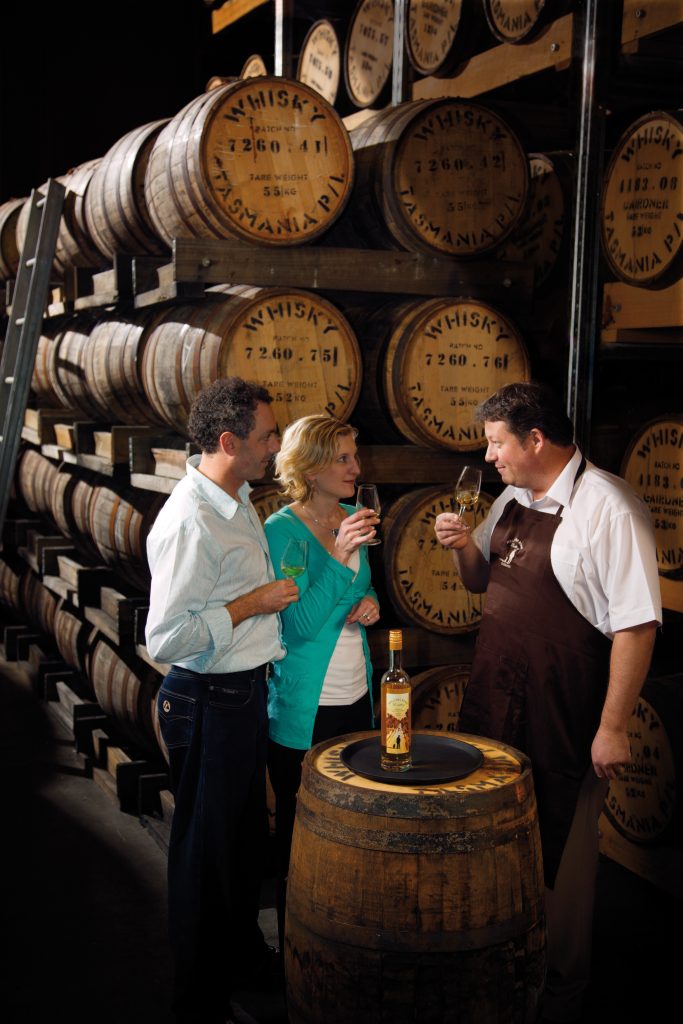
Hellyers Road Distillery. Credit: Rick-Eaves
Beyond luxury and gastronomy, Tasmania’s broader appeal lies in its authenticity and wilderness.
Nearly half the island is protected national park and UNESCO-listed wilderness, home to ancient rainforests, alpine lakes and rugged coastlines. Visitors can kayak beneath mountains, hike iconic trails, explore more than 1,500 beaches or spot wildlife including the endangered Tasmanian devil.
Tasmania’s indigenous Palawa culture also remains deeply woven into the island’s identity and tourism experiences.
Food continues to be central to the Tasmanian story.
The island is recognised as one of only two UNESCO Cities of Gastronomy regions in Australia and is celebrated for ultra-fresh seafood, berries, cherries, cheeses, wines and artisanal produce with exceptionally low food miles.
Its cool-climate wines — especially sparkling wines — have won international acclaim, while the island’s paddock-to-plate culture attracts chefs and culinary travellers from around the world.
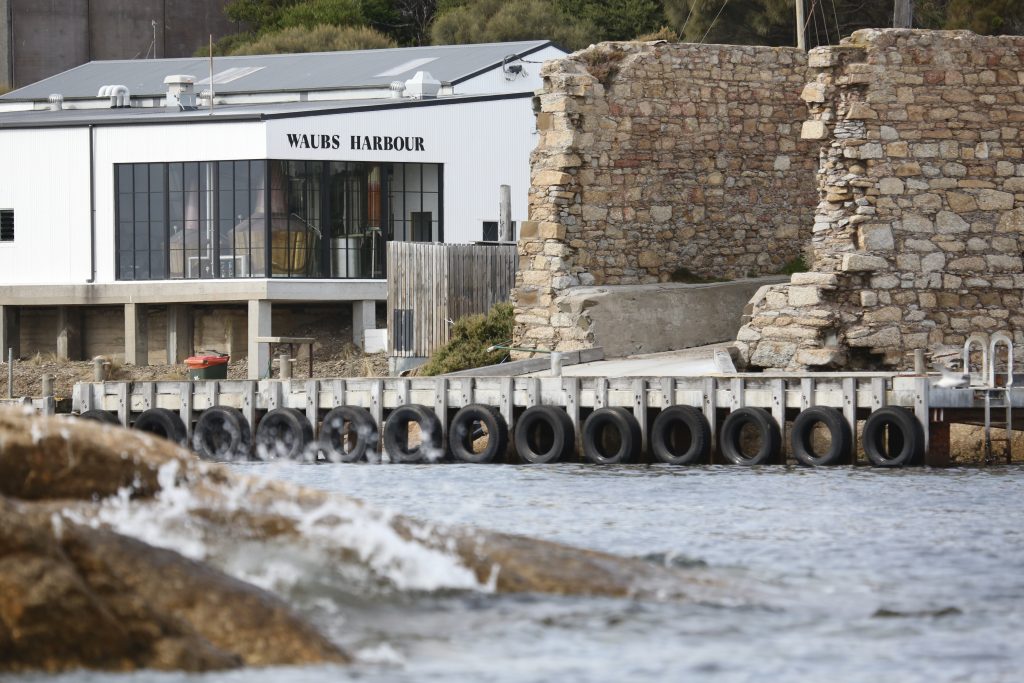
Waubs Harbour Distillery. Credit: Tim Hughes
Tourism authorities believe Tasmania’s winter appeal resonates strongly with travellers seeking slower, more meaningful experiences.
Rather than chasing sunshine, more visitors are embracing misty landscapes, woollen sweaters, fireside dinners and nature-driven wellness escapes.
For Singaporeans looking to trade humidity for hearths and mountain air, Tasmania is increasingly positioning itself as the ultimate winter sanctuary — an island that arguably saves its best experiences for the coldest months of the year.
For more information, visit www.discovertasmania.com.au