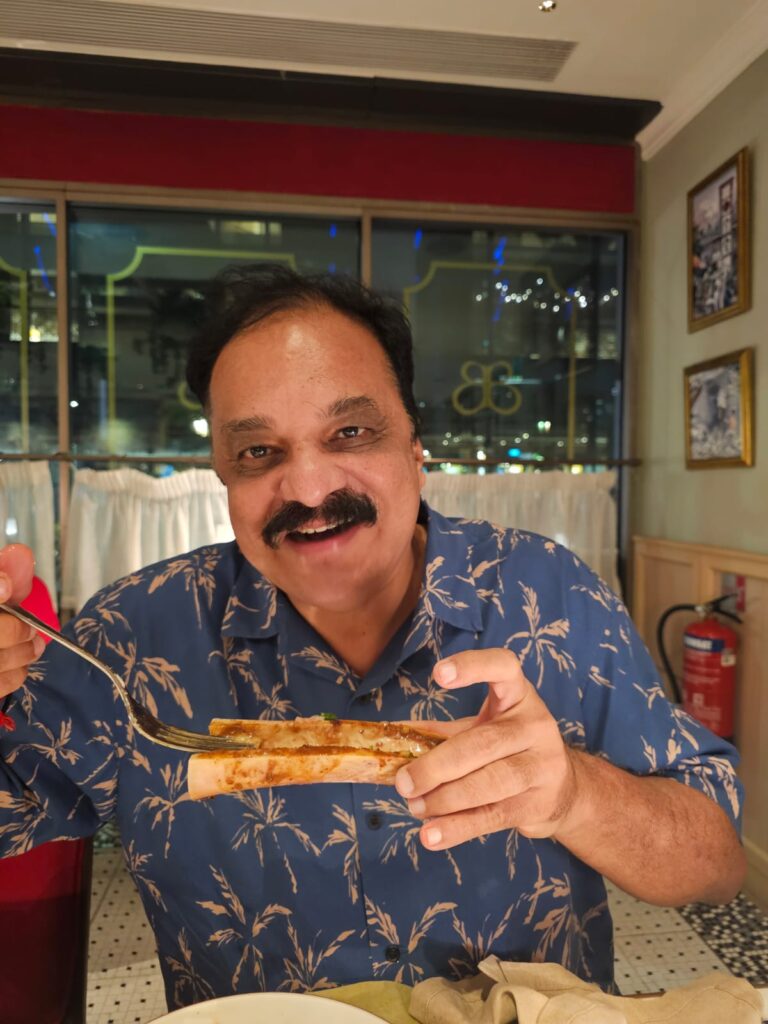
 There is always a risk when a restaurant tries to make traditional Indian food more contemporary. In chasing novelty, chefs can sometimes lose the flavours, textures and memories that made the dishes appealing in the first place.
Bombay Brasserie Singapore’s new menu, launching on Oct 19, largely avoids that trap.
I was among a small group invited to taste the menu on Oct 3, and what struck me was that the innovation was mostly in presentation, combinations and dining format rather than an attempt to reinvent Indian flavours beyond recognition.
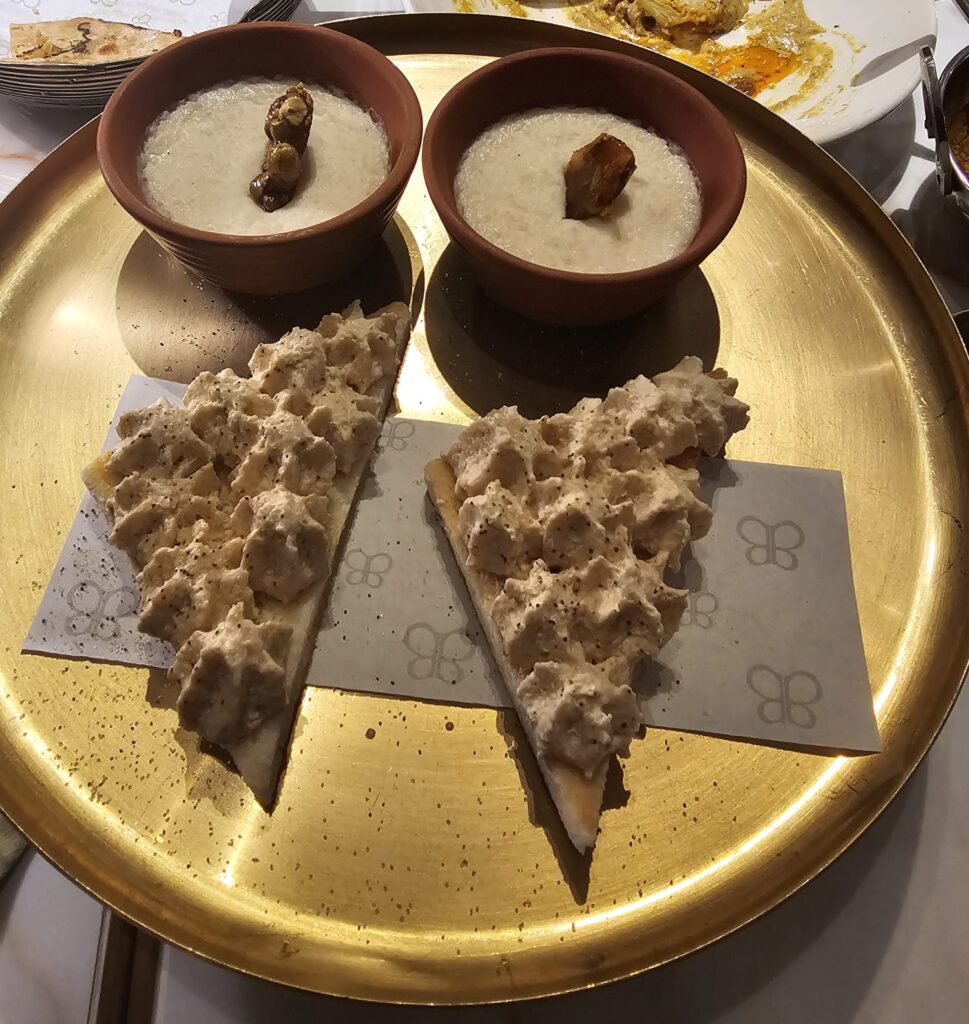
Three dishes particularly stood out — Lotus Stem with ghee roast masala and tender coconut meat; Bone Marrow Masala Toast with nihari butter; and The Brasserie Chop featuring lamb chop, black pepper and cashew paste.
PHOTOS: V.K. Santosh Kumar
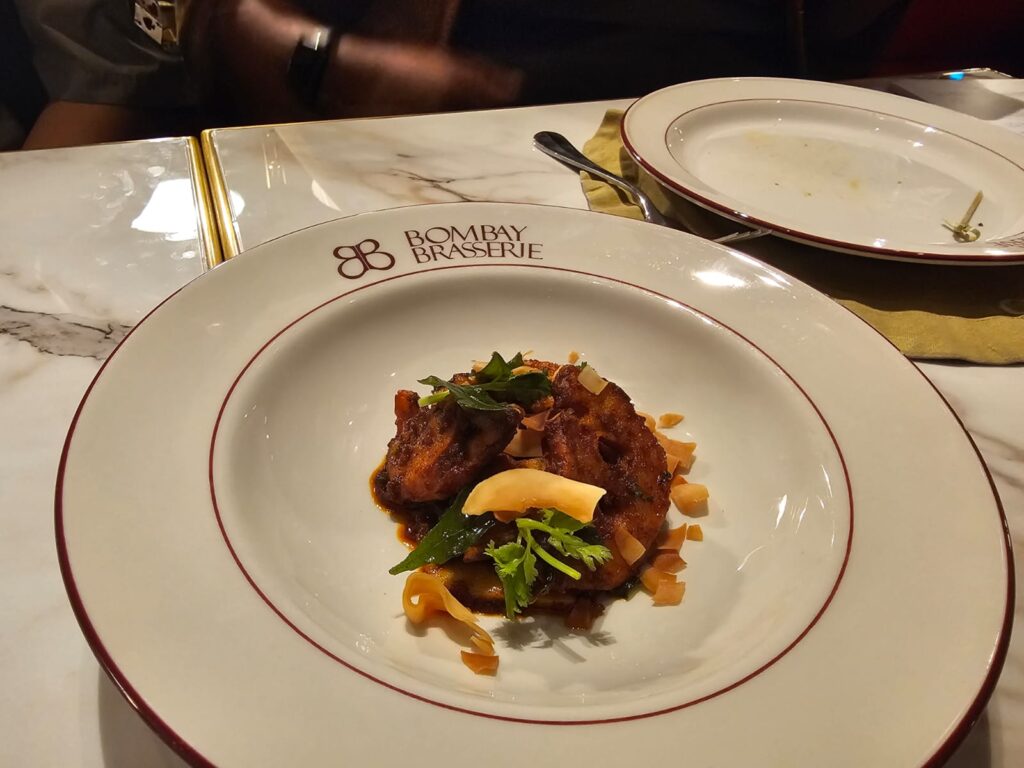
The biggest surprise was the Lotus Stem.
Its inspiration is fascinating because it brings together culinary influences from different parts of India.
Lotus stem is familiar in several Indian regional cuisines, while honey chilli lotus is popular at Indian-Chinese restaurants. Bombay Brasserie takes that ingredient and pairs it with ghee roast, the robust, chilli-forward masala associated with Karnataka cooking.
The lotus stem is first cooked in a brine of vinegar, salt and sugar, giving an otherwise fairly neutral vegetable some sweet-and-sour character. It is then dusted with cornstarch and fried until crisp.
The ghee roast masala brings another layer — clarified butter, dry-roasted spices, chilli and garlic, balanced with jaggery and tamarind. Finally, tender coconut meat mellows the spice and introduces a softer texture.
The result was remarkably substantial, almost meaty, for a vegetarian dish. Crisp, spicy, slightly sweet and tangy, with the tender coconut providing contrast, it was probably my favourite dish of the evening.
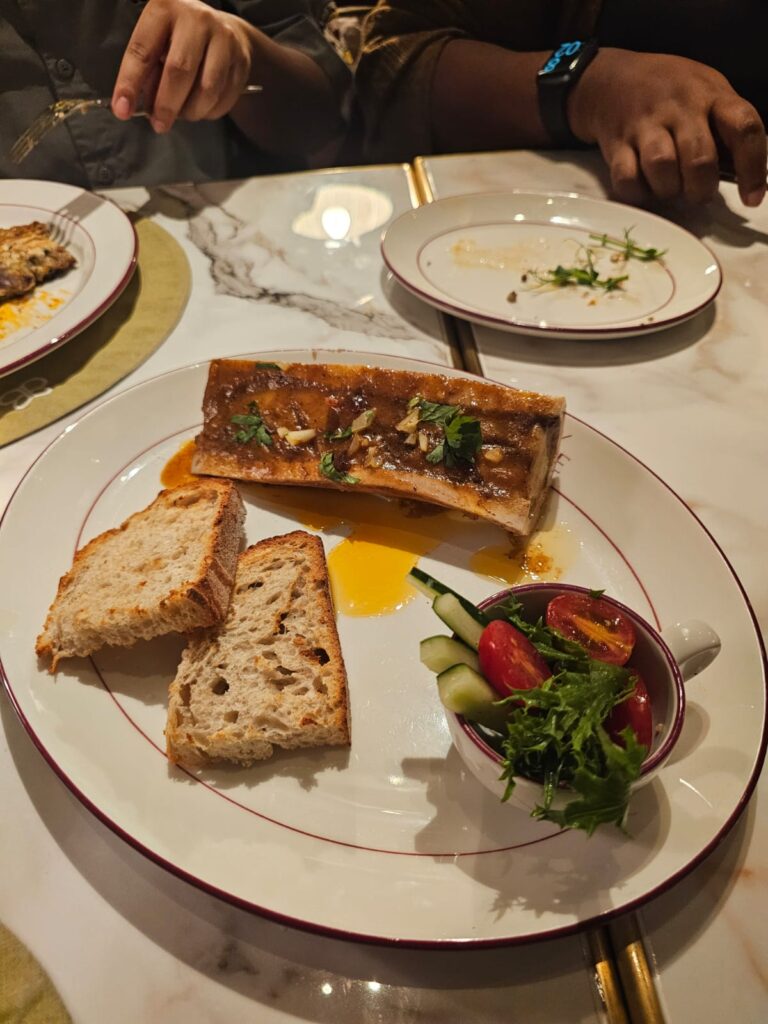 The Bone Marrow Masala Toast came very close.
Here, the idea travels in another direction: European brasserie cooking meets the flavours of North Indian nihari.
The inspiration came partly from Executive Chef and Operations Head Areeb Rehman’s connection with Uttar Pradesh, where nihari is hugely popular.
Marrow is integral to the velvety richness associated with nihari. But instead of reproducing the traditional dish, Bombay Brasserie borrows a familiar European approach to bone marrow.
The marrow is roasted in the oven until it softens — usually for around 12 to 17 minutes at 230 deg C — and is then flavoured with nihari-inspired seasoning before being spread over bread.
It is rich, certainly, but also clever.
The format feels unmistakably European, while the moment the nihari flavours come through, the dish acquires an Indian soul. That meeting of technique and memory is exactly where the new menu is strongest.
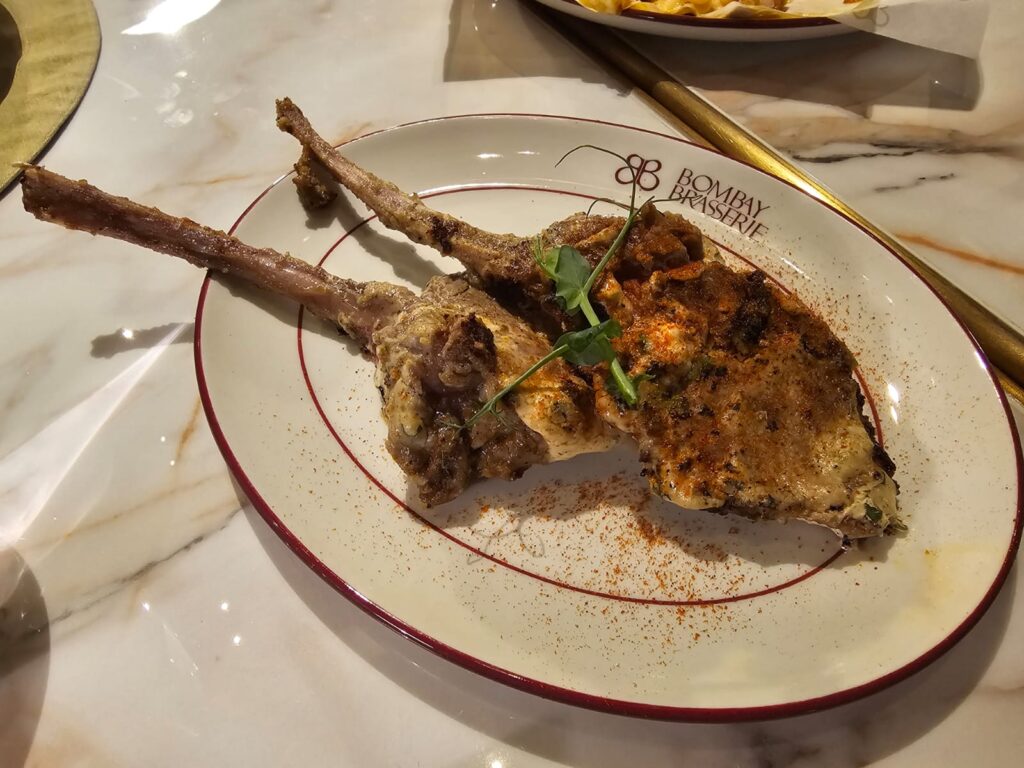 The Brasserie Chop completed my top three.
The lamb chop combined black pepper with cashew paste, but neither component overwhelmed the meat. The cashew provided richness and body while the pepper supplied warmth, allowing the lamb itself to remain the star.
That balance reflects the philosophy behind the menu.
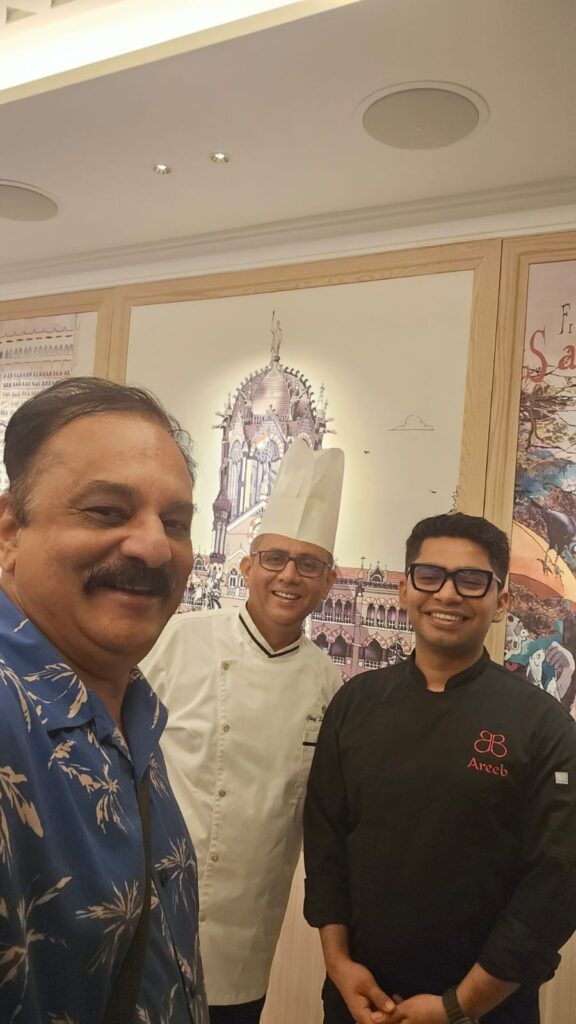
Sahil Desai (centre) and Areeb Rehman.
Sahil Desai, Assistant Vice-President, Food and Beverage Culinary at Indian Hotels Company Limited, has spent more than two decades in the hospitality industry and began his culinary journey with Western cuisine before being exposed to Indian and other Asian traditions.
“We are not changing the flavours, we are not changing the food, we are only changing the storytelling,” he said.
That “storytelling” draws heavily on Mumbai itself.
Mumbai is not represented by one cuisine. Its food reflects communities from across India as well as international influences accumulated over generations. South Indian, North Indian, Parsi, street-food and British influences can all coexist within the city.
Bombay Brasserie wants to capture that diversity without making Indian food unnecessarily complicated.
The presentation is cleaner and more contemporary, with sharing plates and recognisable dining formats replacing the stereotype of Indian food as invariably heavy, gravy-rich and suited mainly to long meals.
That is particularly relevant in Singapore.
Mr Desai believes diners here have enormous choice and consequently expect restaurants to keep evolving. Innovation is therefore necessary, but not at the expense of authenticity.
The new menu also responds to how people eat at different times of the day.
Lunch will lean towards quicker meals, including sandwiches, wraps and bowls for office workers looking for something convenient without feeling weighed down afterwards.
Evenings will have a more casual small-plates approach — food designed for colleagues and friends to share while winding down after work — while dinner retains the more leisurely, family-oriented brasserie experience.
The restaurant is also making the language and presentation of Indian food more accessible to diners unfamiliar with regional terminology. The objective is not to dilute the cuisine, but to make it easier for Singapore’s multicultural audience to understand what is being served.
 That, ultimately, is what I liked most about the preview.
The three standout dishes felt new without tasting contrived. There was enough technique and visual appeal to make them contemporary, but beneath it all were flavours recognisably rooted in India.
Changing the story while respecting the original flavour sounds simple.
Doing it successfully is considerably harder.
Bombay Brasserie’s new menu gets that balance largely right.
Rating: 4.6/5