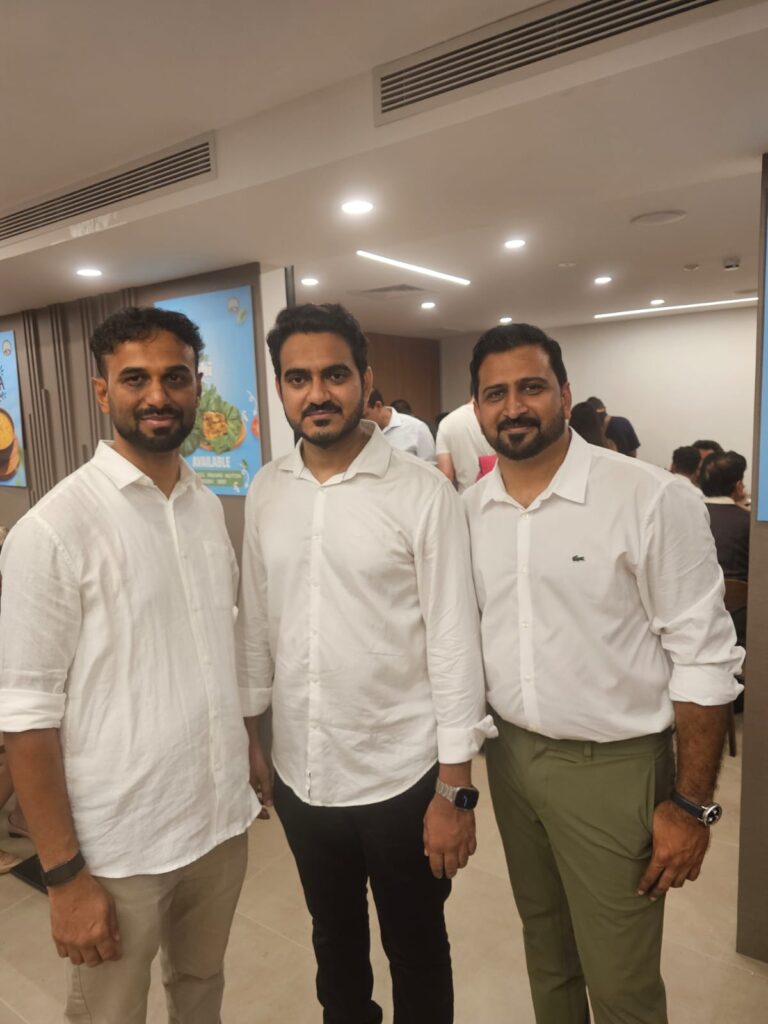
Co-founders Mohamad Shafi, Jaser Ali and Manaf Miyanth. Photos: Santosh Kumar VK
From Yishun to Bedok and now Chinatown, Paradise Biryani’s expansion tells an interesting story about how Kerala cuisine has moved beyond its traditional Malayalee customer base to find a wider following in Singapore.
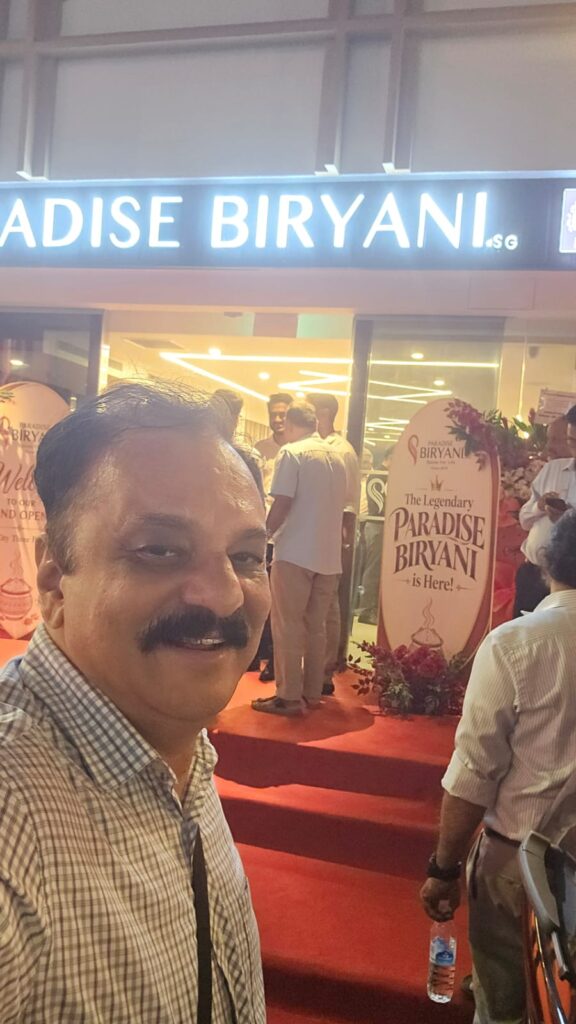
The homegrown restaurant chain opened its third and biggest outlet at 25 Mosque Street on Oct 5, taking its distinctive Malabar-style food into the heart of the city for the first time.
Set along the historic Chinatown shophouse street, the new restaurant puts Paradise Biryani within easy reach of downtown office workers, residents and tourists — a considerable change from its beginnings in Singapore’s northern heartlands.
For co-founders Jaser Ali, Mohamad Shafi and Manaf Miyanth, among whom Jaser is from Kannur and Shafi and Manaf from Kasargod in Kerala, the new outlet is another milestone in a journey that began in Yishun in 2018.
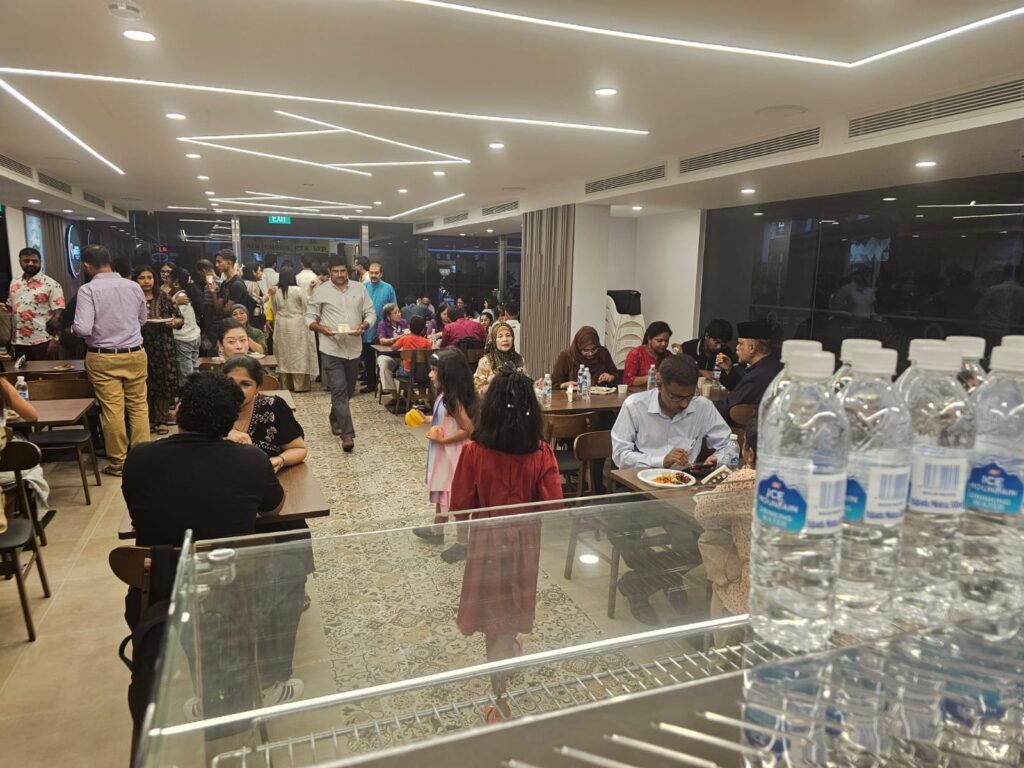
The first restaurant gradually developed a following for authentic Kerala food, and a second outlet was opened in Bedok two years ago. The Chinatown branch, which can accommodate more than 80 diners, is their largest so far.
Perhaps more significant than the number of outlets is the changing profile of their customers.
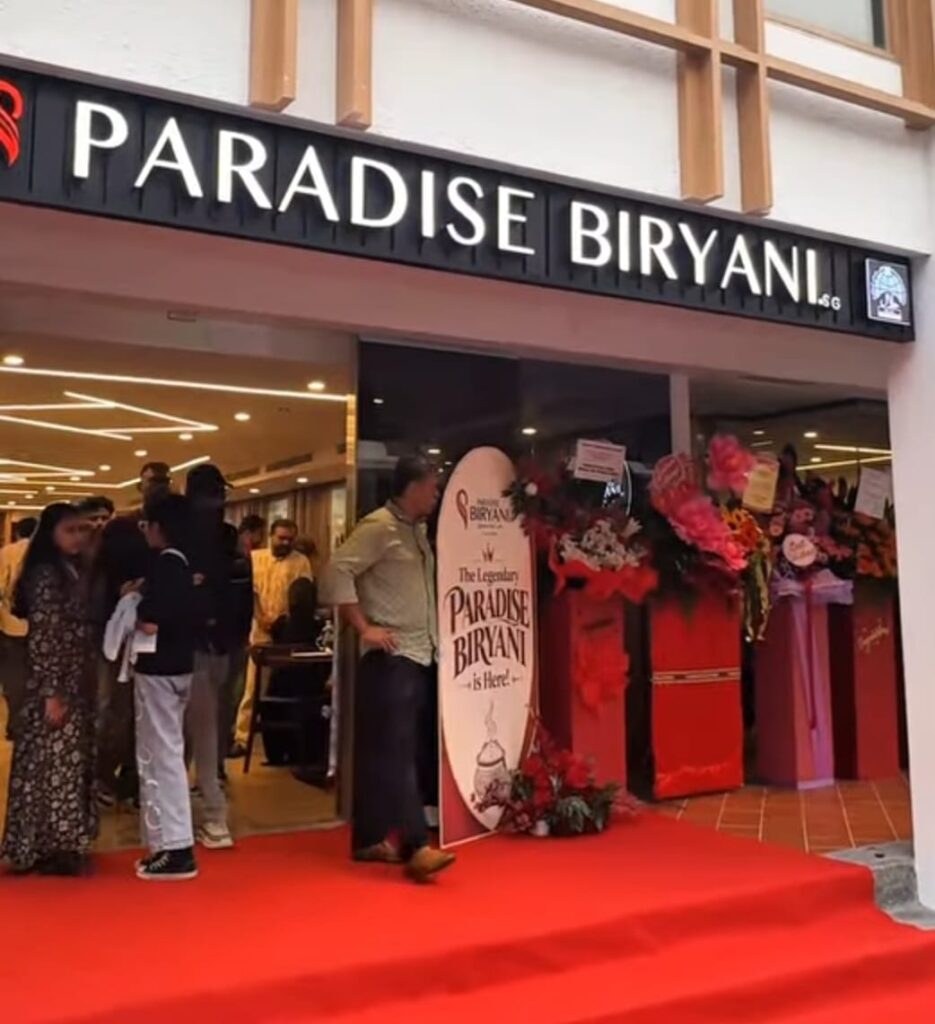
PHOTO: Paradise Biryani
What began as a restaurant serving the familiar tastes of home to Singapore’s Malayali community increasingly began attracting diners from other communities.
“People from different ethnics like Chinese and Malays all come to try our Kerala food,” Jaser said.
At their northern outlet, there are even days when the dining room is filled predominantly with Chinese customers, he added.
That crossover appeal is important in Singapore, where diners have a vast choice of Indian restaurants but may be less familiar with the differences between the cuisines of southern Indian states.
“South Indian food” is often treated as one broad category, but Shafi pointed out that Tamil, Andhra and Kerala cuisines have distinctly different ingredients, preparations and flavour profiles.
Kerala cooking makes extensive use of coconut, coconut milk, coconut oil, curry leaves and spices, while seafood occupies an important place on the menu.
“The people who want to try the authentic Kerala taste” are the customers Paradise Biryani hopes to reach, Shafi said.
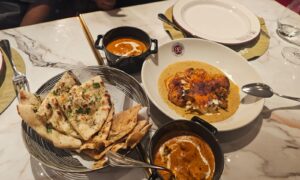
 He described the food as richly flavoured but generally not overwhelmingly spicy, making it accessible even to diners unfamiliar with Kerala cuisine and to children.
The dish that has arguably done most to establish the Paradise name is its signature Bamboo Biryani.
Available with mutton, chicken and prawns, the aromatic biryani is presented in a bamboo cylinder and opened at the table, creating both a burst of fragrance and a touch of theatre.
Manaf said the bamboo mutton biryani has proved particularly popular with Chinese customers.
The restaurant also serves Lamb Shank Biryani, with a whole tender lamb shank nestled in fragrant rice.
But the founders are keen that Paradise Biryani should not be defined by biryani alone.
The menu offers a broader introduction to Kerala and Malabar cooking, including Fish Pollichathu, in which fish and masala are wrapped in banana leaf; Kerala Beef Fry; Kizhi Parotta; fish mango curry; and prawn curry with green mango.
The combination of seafood, coconut and the tartness of green mango is particularly characteristic of Kerala’s coastal food traditions.
For diners accustomed to more widely available North Indian dishes or other varieties of South Indian cuisine, such dishes provide a different entry point into Indian regional cooking.
Being fully Halal-certified has also helped Paradise Biryani reach a broader section of Singapore’s multicultural dining population.
The founders believe, however, that there is no complicated formula behind their growth.
“The secret is simple. We have always maintained the quality of the food, and hygiene is very important,” said Manaf.
“We are very strict in hygiene and quality, and we always maintain the taste. So the people always want to come back and try our food again.”
They also regard affordability as important, describing their prices as competitive compared with similar restaurants.
 Maintaining the same taste across three outlets requires considerable attention to sourcing and kitchen operations.
Some of the restaurant’s key masalas are brought in from Kerala, while its chefs are recruited from the state.
“They are all experienced chefs, all from very famous restaurants in Kerala,” Jaser said.
Finding local kitchen staff who can reproduce the same flavours is difficult, they added, particularly because the restaurants follow authentic Kerala recipes.
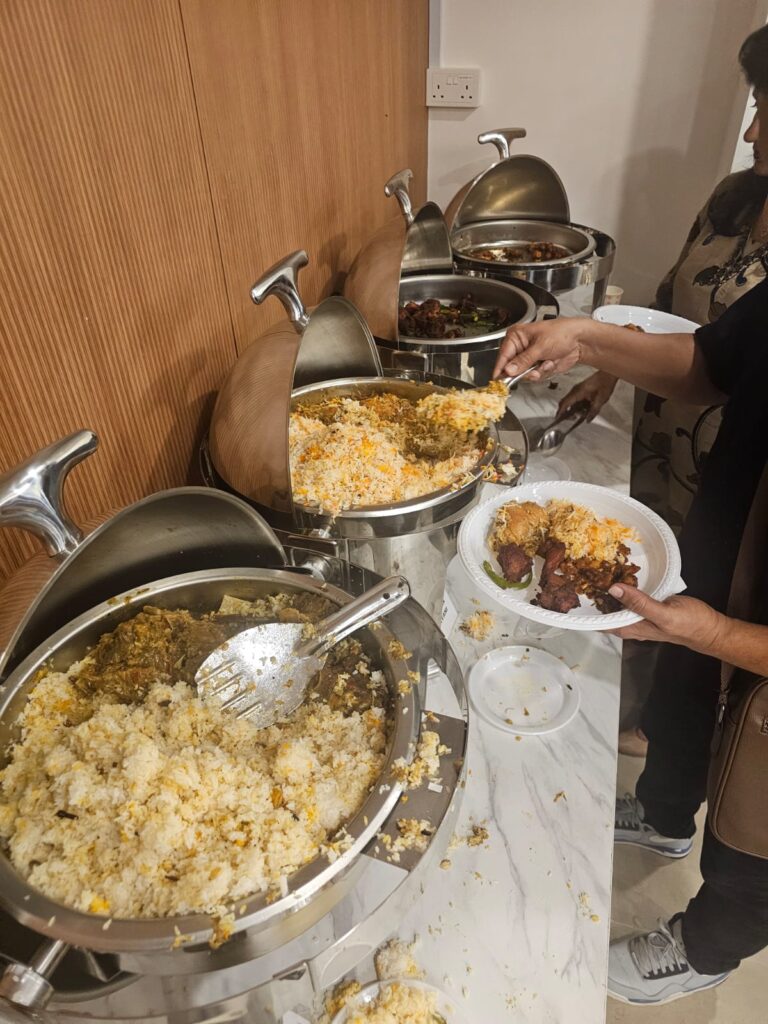 The same menu is served across the three Paradise Biryani outlets, reflecting the founders’ emphasis on consistency rather than reinventing dishes for different neighbourhoods.
The group has also ventured beyond the Paradise brand. It operates Monsoon Masala in Singapore, while related restaurant ventures overseas include Malabar Majlis outlets in Southampton and Birmingham in Britain.
The Chinatown opening nevertheless represents a particularly important step.
Moving into one of Singapore’s busiest and most diverse dining districts gives Paradise Biryani an opportunity to introduce Kerala food to customers who may never have specifically sought it out in Yishun or Bedok.