V.K. SANTOSH KUMAR
Collaborations between celebrated chefs have become increasingly common in Singapore’s dining scene. Yet, many are built around novelty, where cuisines are fused for spectacle rather than substance. Siam & Spice, an exclusive six-hands dinner at SanSara, Grand Copthorne Waterfront Singapore, proved that a culinary collaboration can be both innovative and deeply respectful of tradition.
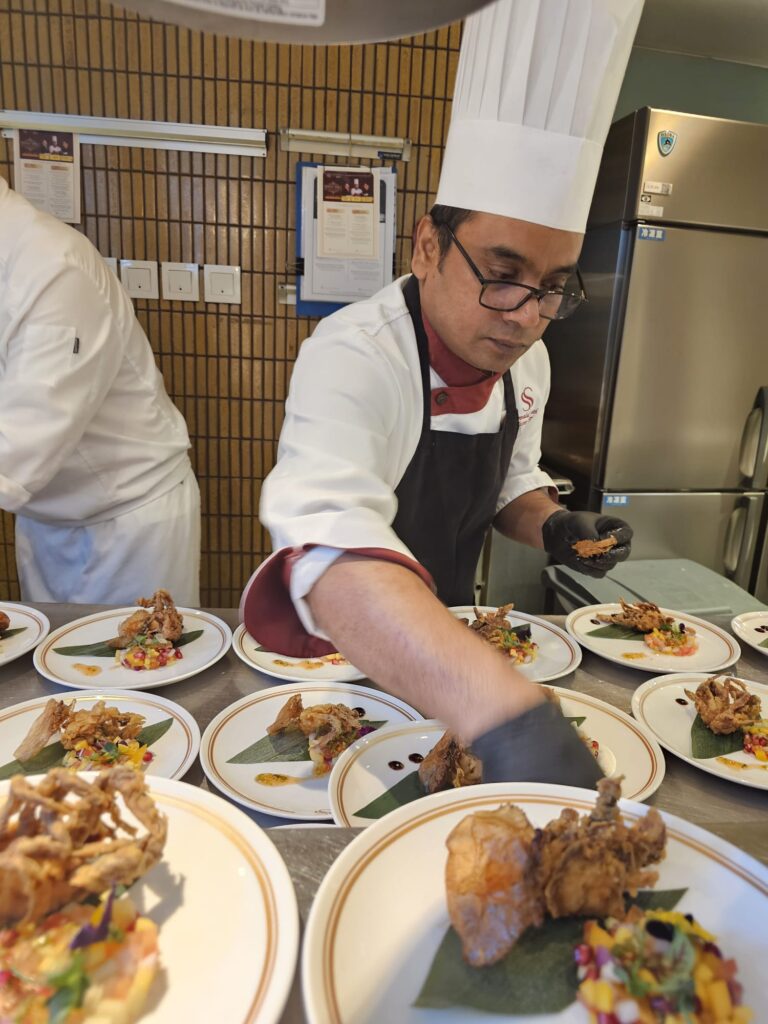
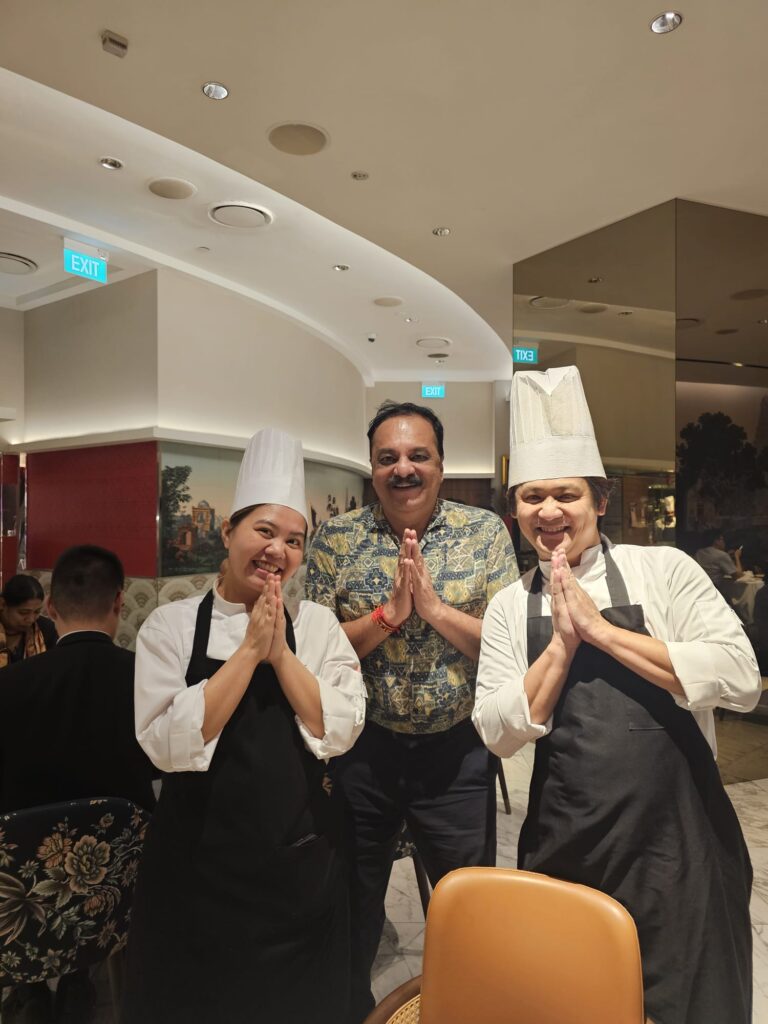
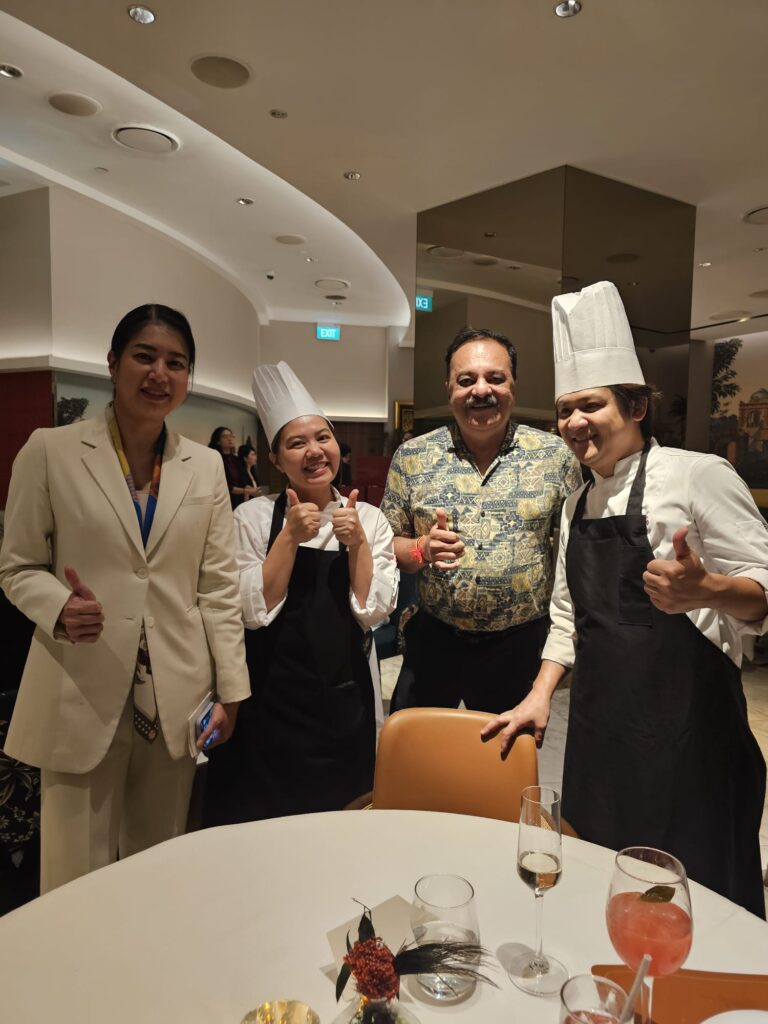
The event united SanSara’s Master Chef Pannalal Nath with Michelin-starred Thai chefs Pilaiporn “Chef Toi” Kamnag and Piyachart “Chef Boy” Puttawong from Bangkok’s acclaimed Saneh Jaan, a restaurant renowned for preserving traditional and royal Thai cuisine.
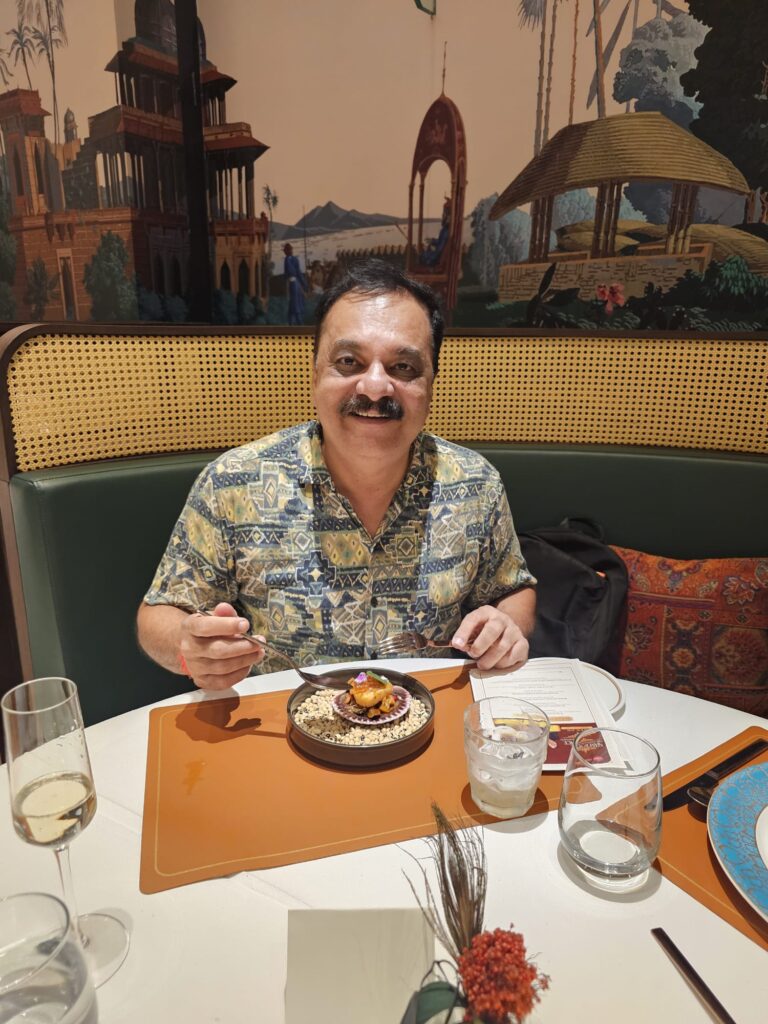
ALL PHOTOS BY V.K. SANTOSH KUMAR
What emerged over six thoughtfully curated courses was not a competition between Indian and Thai cooking, but a conversation between two of Asia’s oldest culinary traditions. Both cuisines are rooted in centuries-old techniques, layered spices, fresh herbs and slow cooking, yet each possesses a distinctive identity. The evening demonstrated that when approached with restraint and authenticity, these traditions can complement rather than overshadow one another.
From the opening course, the chefs made their intentions clear.
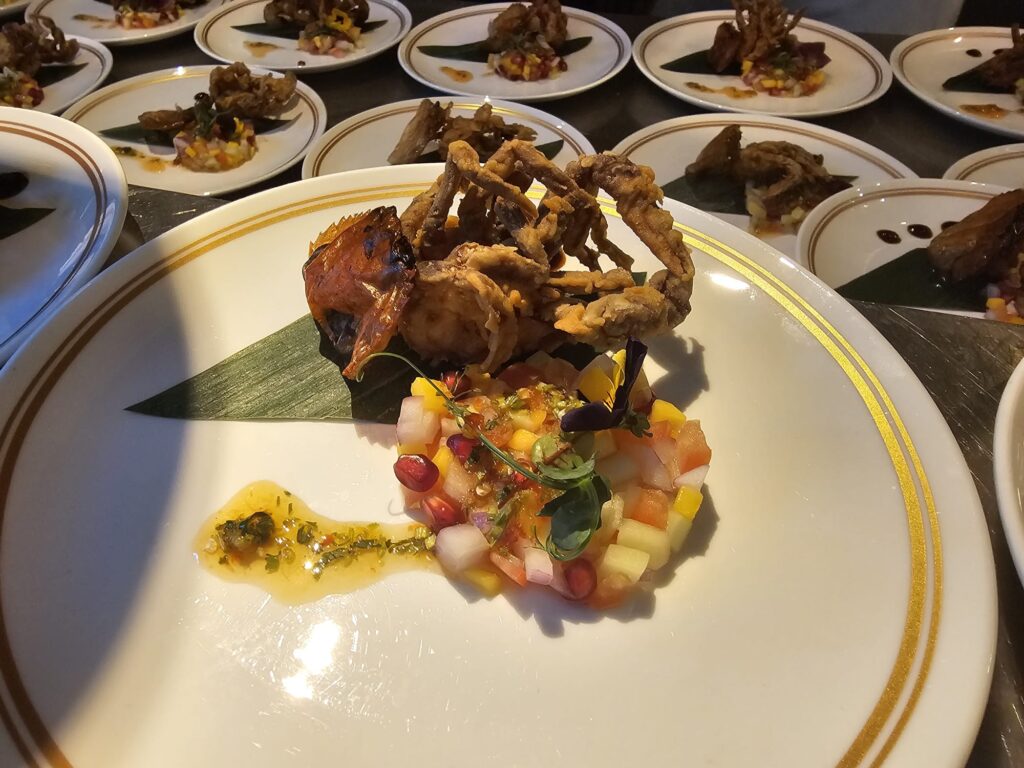
Chef Pannalal’s Blue Swimmer Crab Chaat (below) elevated one of India’s most beloved street foods into fine dining without stripping away its soul. Sweet crab meat met chilli-lime dressing and tamarind in a dish that balanced acidity, sweetness and freshness with remarkable precision. Paired with a Verdita Chaser, it set the tone for an evening where flavour combinations were carefully considered.
 His Ginseng Littleneck Clams Yakhni continued that philosophy. Traditionally associated with Kashmiri cuisine, yakhni is known for its aromatic, yoghurt-based broth. Here, saffron, dill and ginseng added elegance while allowing the natural sweetness of the clams to remain the focal point. The accompanying Spiced Whisky Sour provided warmth without overwhelming the dish.
Chef Toi then demonstrated why Thai cuisine continues to enjoy worldwide admiration. Her Grilled Scallops with Spicy Fruit Salad delivered the familiar Thai interplay of sweetness, citrus, gentle heat and texture in perfect balance. It was refined without sacrificing the vibrant flavours that define authentic Thai cooking.
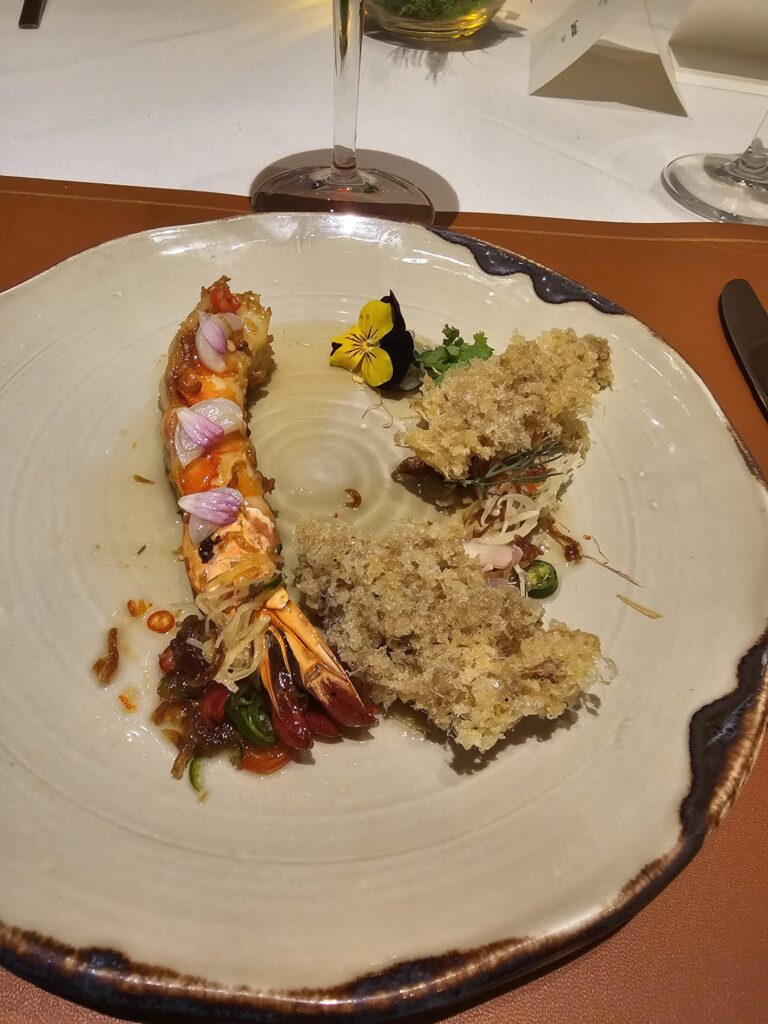
The Tiger Prawns and Crispy Seabass perhaps best illustrated the spirit of the collaboration. Finished tableside with a fragrant broth infused with lemongrass and lime, the dish showcased how restrained seasoning and quality ingredients can create remarkable depth. The seafood was expertly cooked and beautifully complemented by the aromatic broth.
The only slight weakness during the evening came not from the food but from two of the beverage pairings. The Basil Smash Spritz accompanying the seafood course introduced herbal notes that felt slightly disconnected from the delicate flavours on the plate. Likewise, the non-alcoholic Basil Smash Mocktail served with dessert competed with, rather than enhanced, the tropical freshness of the Coconut Panna Cotta. While both drinks were enjoyable individually, they highlighted how beverage pairing remains as much an art as the food itself.
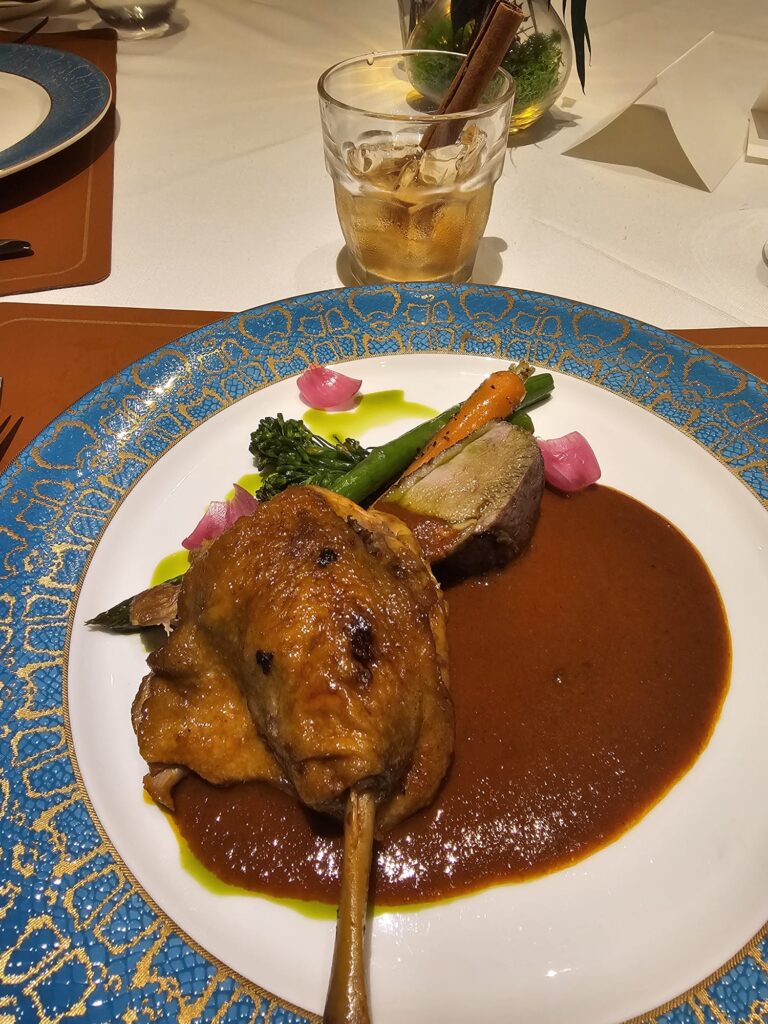 For me, however, the undisputed highlight arrived with Chef Pannalal’s Duck Red Curry Vindaloo (above).
Rather than merely combining two famous dishes, the chef successfully merged the bold acidity associated with Goa’s Portuguese-influenced vindaloo and the creamy complexity of Thailand’s red curry into a single, harmonious creation. Rich, aromatic and beautifully balanced, it demonstrated precisely what thoughtful cross-cultural cooking can achieve. The accompanying Indri Spiced Old Fashioned proved one of the evening’s strongest pairings.
Dessert offered a suitably elegant conclusion. Chef Boy’s Coconut Panna Cotta with Hom Suwan Pineapple Sauce combined silky coconut cream with the bright acidity of pineapple, delivering a light, refreshing finale that lingered pleasantly long after the final spoonful.
Beyond the individual dishes, Siam & Spice reflected a broader trend shaping Asia’s fine dining landscape. Increasingly, chefs are looking beyond conventional fusion to create collaborations that honour culinary heritage while encouraging innovation. Instead of blurring identities, they are celebrating the shared philosophies that underpin neighbouring cuisines.
 Indian and Thai food have long influenced one another through centuries of trade, migration and cultural exchange across the Bay of Bengal. Shared ingredients such as turmeric, tamarind, coriander, cumin and coconut provide common ground, while each cuisine has evolved distinctive techniques and flavour profiles. The dinner served as a reminder that meaningful culinary partnerships do not require abandoning tradition. Instead, they succeed when chefs understand their own heritage deeply enough to appreciate another’s.
Watching three accomplished chefs interpret these connections with such authenticity, creativity and mutual respect made Siam & Spice far more than an exceptional dinner. It became a celebration of culinary diplomacy, demonstrating that food remains one of the most powerful ways to bridge cultures.
 The cuisine throughout was exceptional. Had every beverage pairing reached the same consistently high standard, the experience would have bordered on perfection.
Rating: 4.2/5.
@sansara.sg @grandcopthornewaterfront @upcycle_comms #SanSara #SanSaraSG