Eight century-old Malaysian heritage houses, rescued from different parts of the country and lovingly reconstructed on a former coconut plantation, make Temple Tree Resort one of Langkawi’s most extraordinary places to stay
PHOTOS: VK Santosh Kumar
Most visitors to Langkawi dream of waking up to the sound of waves, spending lazy afternoons on sandy beaches and watching spectacular sunsets over the Andaman Sea.
My recent three-day stay on the Malaysian island offered something remarkably different.
Instead of checking into a sprawling beachfront hotel, I found myself stepping into a world of century-old wooden houses, colourful stained-glass windows, antique furniture, sprawling verandahs and lush tropical gardens.
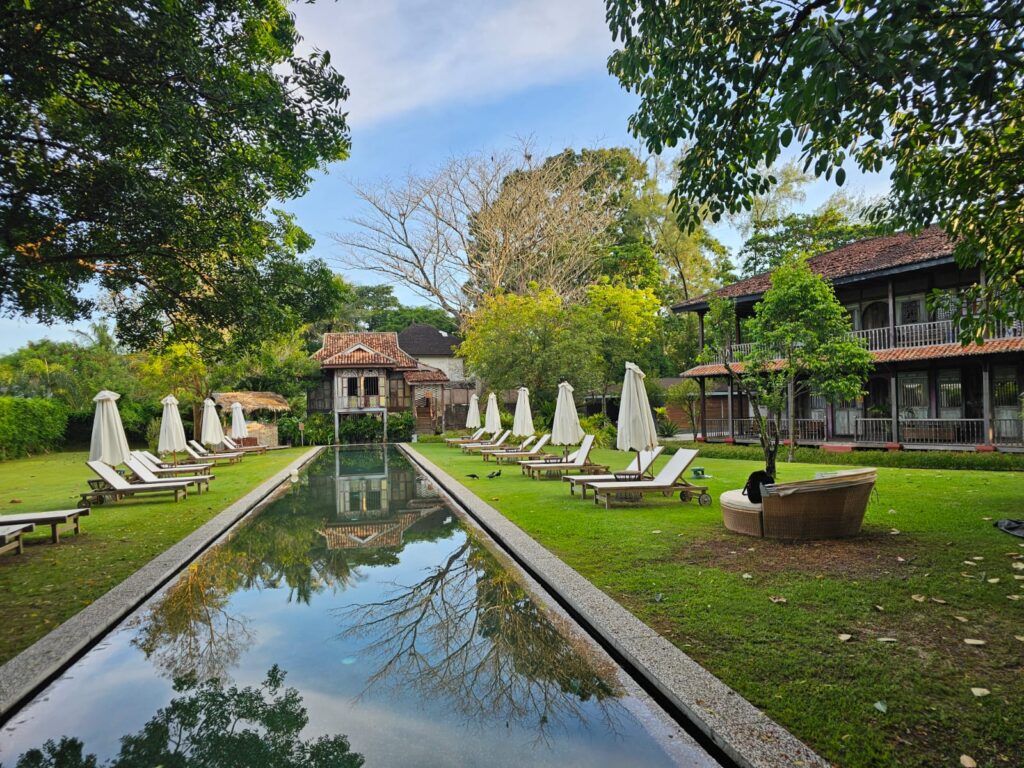 At Temple Tree Resort Langkawi, history is not something you admire from behind a glass enclosure. You sleep in it, dine in it and discover its fascinating stories as you wander from one building to another.
It is perhaps the closest I have come to staying in a living architectural museum.
Located along Jalan Pantai Cenang, a short drive from Langkawi International Airport and the island’s bustling tourist strip, Temple Tree comprises eight authentic heritage houses rescued from different parts of Peninsular Malaysia.
Each has its own architectural identity, cultural influences and history.
Together, they form an enchanting little neighbourhood that celebrates Malaysia’s multicultural heritage.
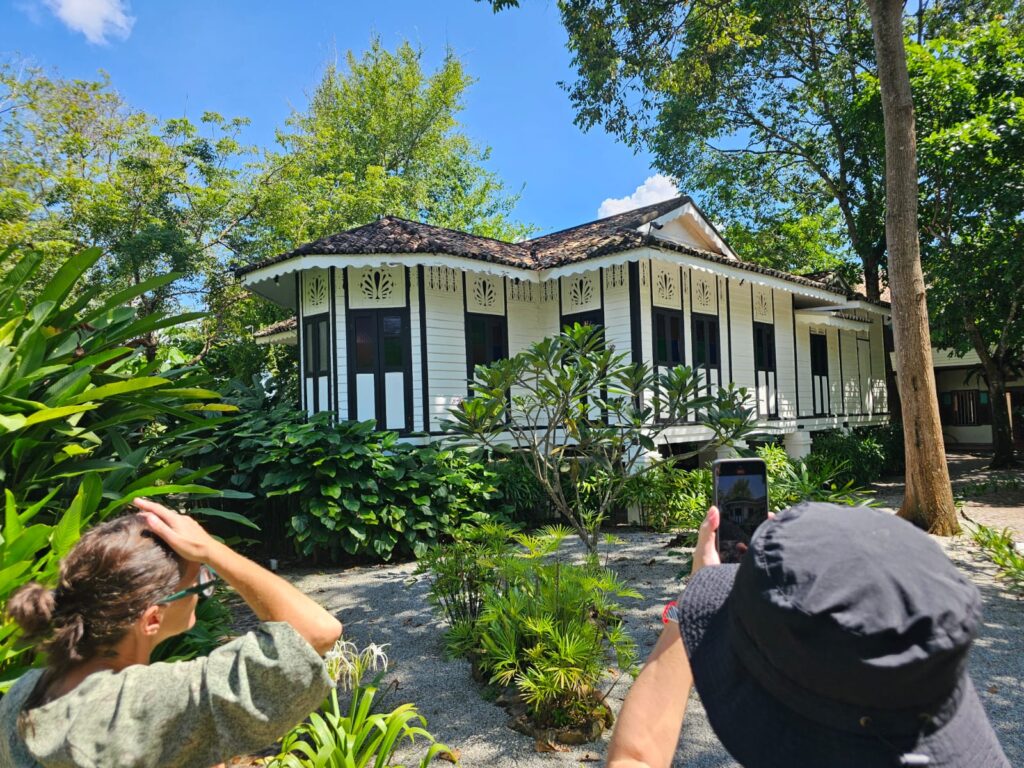 What impressed me most was that these were not replicas constructed to resemble traditional Malaysian houses. They were the original buildings, carefully dismantled, transported to Langkawi and painstakingly reconstructed.
And with just 21 rooms and suites, the resort offers something increasingly rare in modern hospitality – intimacy, individuality and a genuinely personal touch.
A remarkable rescue mission
The story behind Temple Tree is almost as fascinating as the buildings themselves.
The resort was conceived to rescue traditional Malay kampung houses.
Recognising that many magnificent old residences across Malaysia were deteriorating or facing demolition, an ambitious conservation project was set in motion.
Houses were acquired from Penang, Perak, Johor and Negeri Sembilan, representing Chinese, Malay, Indian, Arab and European architectural influences.
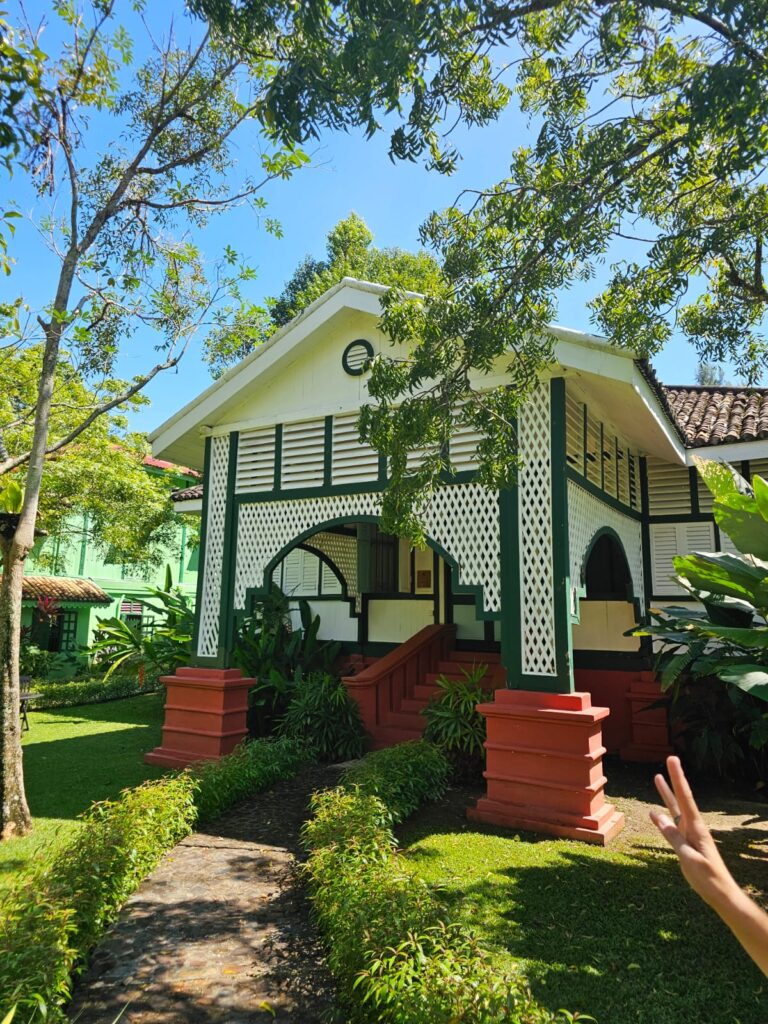 A century-old coconut plantation in Langkawi became their new home.
The relocation was an extraordinary logistical undertaking that took more than two years.
Before dismantling each house, craftsmen documented its architecture, photographed its features and prepared detailed floor plans.
Wooden beams, wall panels, doors, windows and structural joints were individually numbered so that they could be returned to their original positions.
The dismantled buildings were transported by road and then shipped to Langkawi, where skilled craftsmen reassembled them.
Damaged timber and missing tiles were replaced with similar materials wherever possible. Modern plumbing, electricity, air-conditioning and bathrooms were discreetly incorporated without compromising the buildings’ historical character.
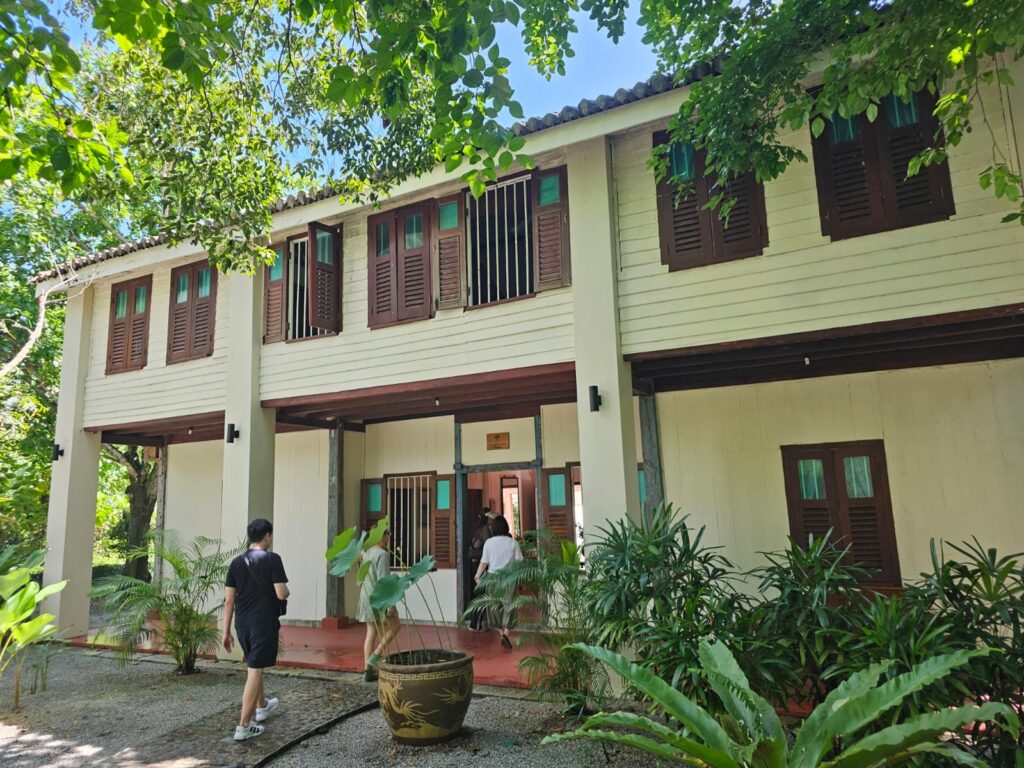 Walking around the resort, I found myself contemplating the sheer patience and dedication required to undertake such a project.
It would undoubtedly have been easier to build a conventional hotel. But what a tremendous loss that would have been.
My home in Johor House
During my stay, I occupied accommodation in Johor House, a charming, pink, double-storey Chinese farmhouse originally from Batu Pahat.
Around 110 years old, it once belonged to a wealthy Taiwanese farming family.
Its latticed windows, curved doorways and expansive verandahs immediately distinguish it from the other buildings.
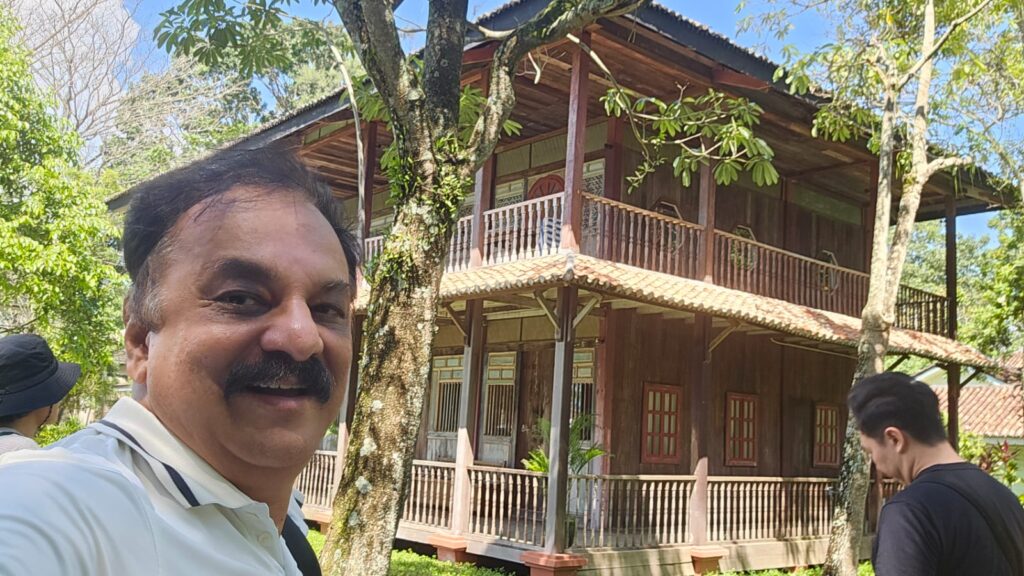 The verandahs wrap around three sides of the house on both floors, overlooking the resort’s main swimming pool.
Inside, ornate vases, antique chests, Chinese calligraphy and vintage furniture evoke a bygone era. A family portrait still hangs upstairs, providing a tangible connection to the people who once lived there.
What I particularly appreciated was the balance between historical authenticity and contemporary comfort.
There was no need to sacrifice air-conditioning, comfortable bedding or modern bathroom facilities to experience the charm of an old Malaysian home.
Resort manager Irene Vairo told me during an exclusive interview with Inside Recent that Johor House had undergone refurbishment about two years earlier.
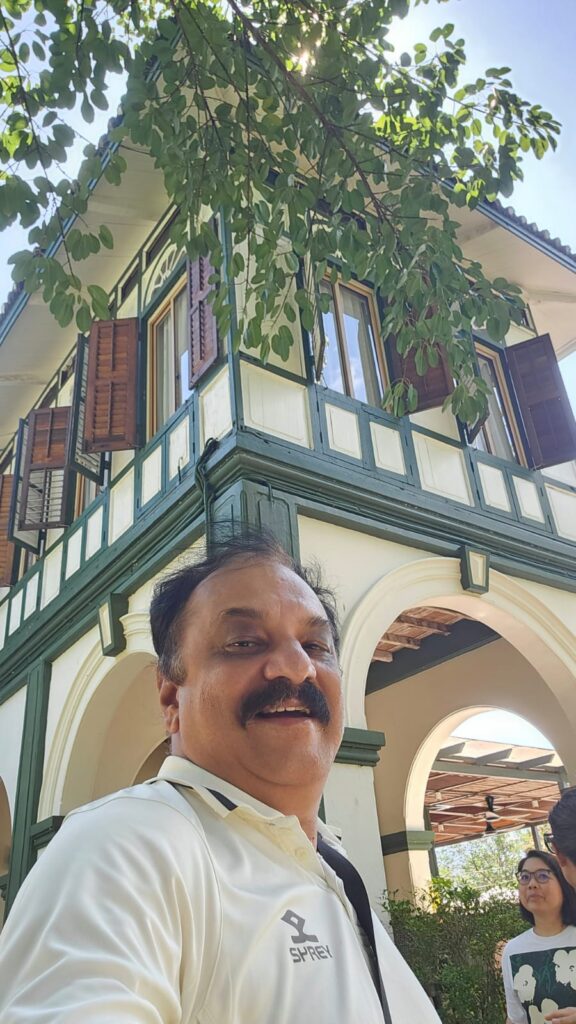 Its previously darker interiors were brightened, while carefully selected contemporary furnishings complemented the antiques.
“So it’s a big mix and match of heritage feeling,” she explained, describing the resort’s efforts to introduce modern elements without losing its historical identity.
Johor House felt less like a hotel and more like a home with generations of memories embedded in its walls.
Eight houses, eight different stories
One of the pleasures of staying at Temple Tree is exploring its collection of buildings. Each reveals another chapter of Malaysia’s architectural and social history.
Ipoh House, affectionately regarded as the Grand Dame of the resort, is a magnificent, approximately 120-year-old building that now accommodates the reception lounge and Paloh Restaurant & Bar.
Originally located in Ipoh’s town centre, it was associated with families involved in tin mining.
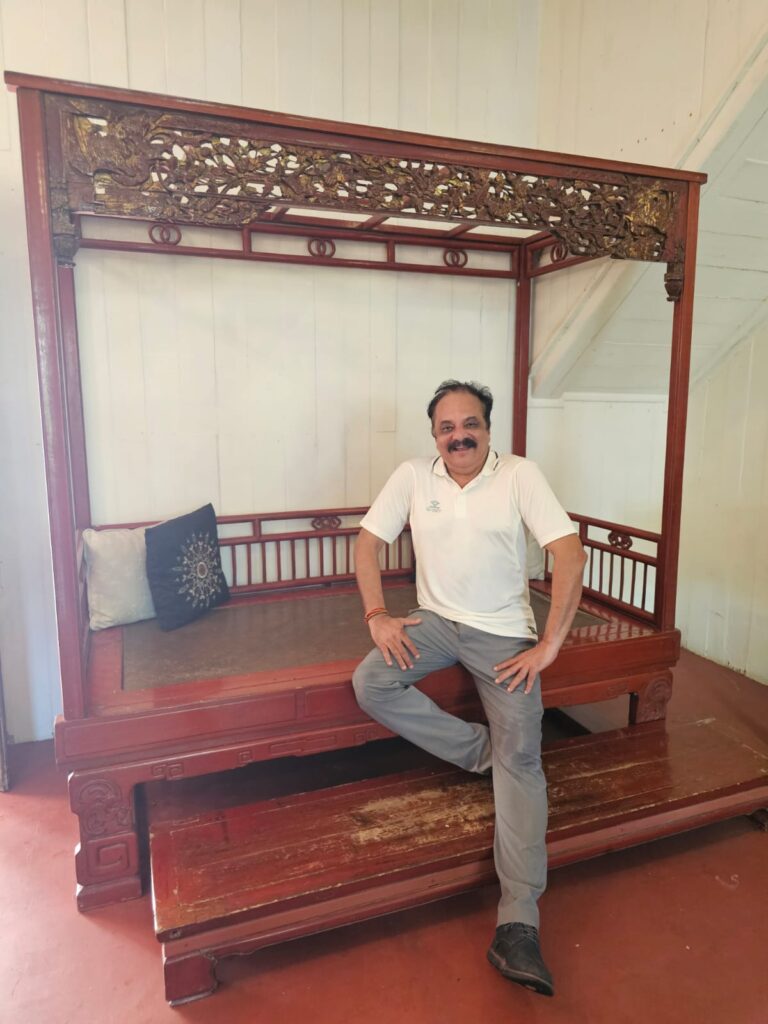 Its rear section, constructed in 1900, reflects Acehnese influences, while the front extension, built in 1903, showcases colonial architecture.
Original cengal timber, imposing wooden pillars, brass fittings and an ornate spiral cast-iron staircase contribute to its distinctive character.
A particularly imaginative feature is the long dining table fashioned from a 150-year-old barn door, supported by antique sewing-machine legs.
Ipoh House has recently entered an exciting new chapter with the introduction of the Ipoh House Collection, comprising three luxury suites and two deluxe rooms that embody Temple Tree’s philosophy of “Tradition Reimagined”.
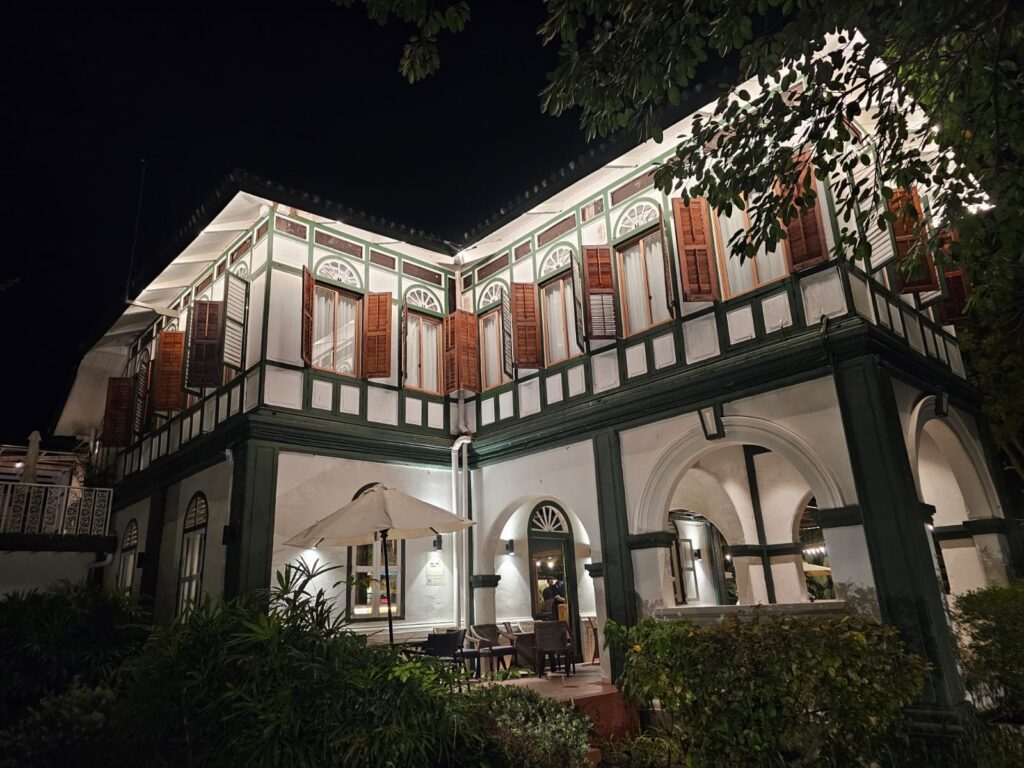 The addition, which expands the resort’s accommodation from 21 to 26 rooms, caters to travellers who appreciate its heritage setting and tranquil surroundings but prefer more contemporary, hotel-style interiors.
Rather than constructing new buildings that might disrupt the estate’s architectural harmony, the resort has cleverly repurposed spaces within Ipoh House, preserving its historic exterior while introducing a sophisticated layer of modern luxury.
Inspired by Ipoh’s rich Chinese cultural heritage, each suite tells a different story through bespoke wallpapers and nature-inspired motifs.
The Ying Suite celebrates the freedom of birds, the Lian Suite draws inspiration from the beauty of flowers, while the Yu Suite symbolises the strength and rootedness of trees. The two deluxe rooms, Ming I and Ming II, feature bright, airy interiors reflecting the meaning of their names – brightness.
What impressed me about these new accommodations was how seamlessly contemporary elegance complemented the character of a century-old building.
The transformation also includes a Reception Café, where freshly brewed coffee, artisanal cakes and comfortable furnishings create a welcoming, living room-like atmosphere, replacing the formality of a conventional hotel check-in.
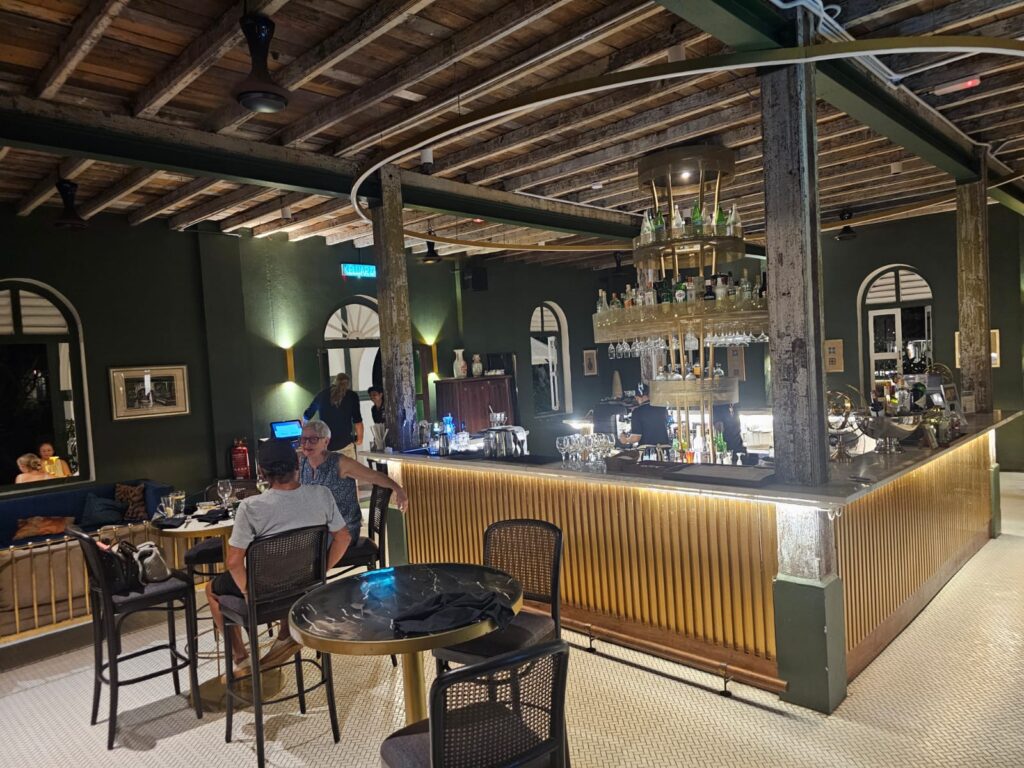 A sophisticated late-night dining menu and lounge-style experience further enhance Ipoh House’s appeal.
“At Temple Tree, we believe heritage should continue to evolve through the experiences it creates. While every home on the property carries its own history and character, our role is to ensure that these stories continue to inspire timeless experiences for today’s traveller,” said Irene.
Colonial House is another architectural showpiece. Built by Arab goldsmiths in George Town, Penang, during the 1920s, it brings together European cornices, Arabic influences and intricate Peranakan floor tiles.
Its grandeur illustrates how wealthy trading families incorporated architectural ideas from different cultures into their homes.
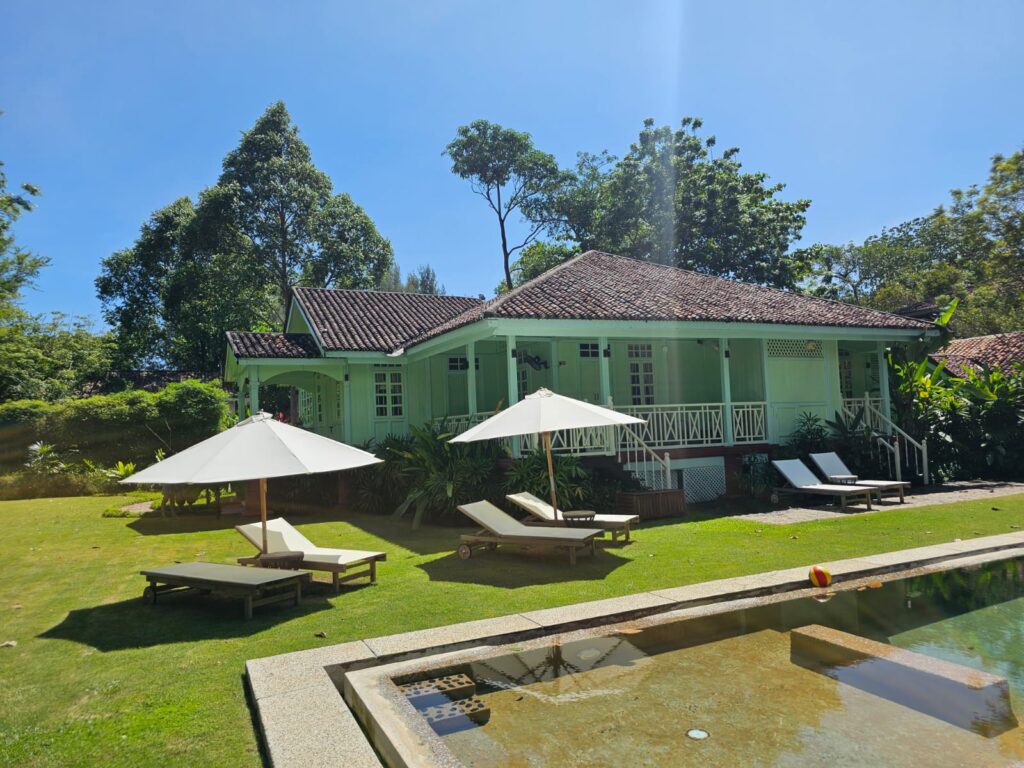 Plantation House, the largest building on the estate, has an equally compelling history.
Originally built in Penang in 1900 for a Malay artisan, it was acquired in 1920 by the Cheong family, Chinese Hakka farmers involved in rubber and durian cultivation.
They constructed an adjoining house reflecting their own architectural preferences.
Today, the six-room building retains its original door knockers, substantial wooden beams, colonial-style shutters and a semi-open courtyard.
It is a fascinating example of two cultures coming together within one residence.
Estate House, originally from Pasir Puteh in Ipoh, offers a contrasting glimpse into Malaysia’s plantation history.
The long, single-storey building once accommodated plantation workers. Its five guestrooms feature high ceilings, terracotta floors, thick timber beams, verandahs and private rear gardens.
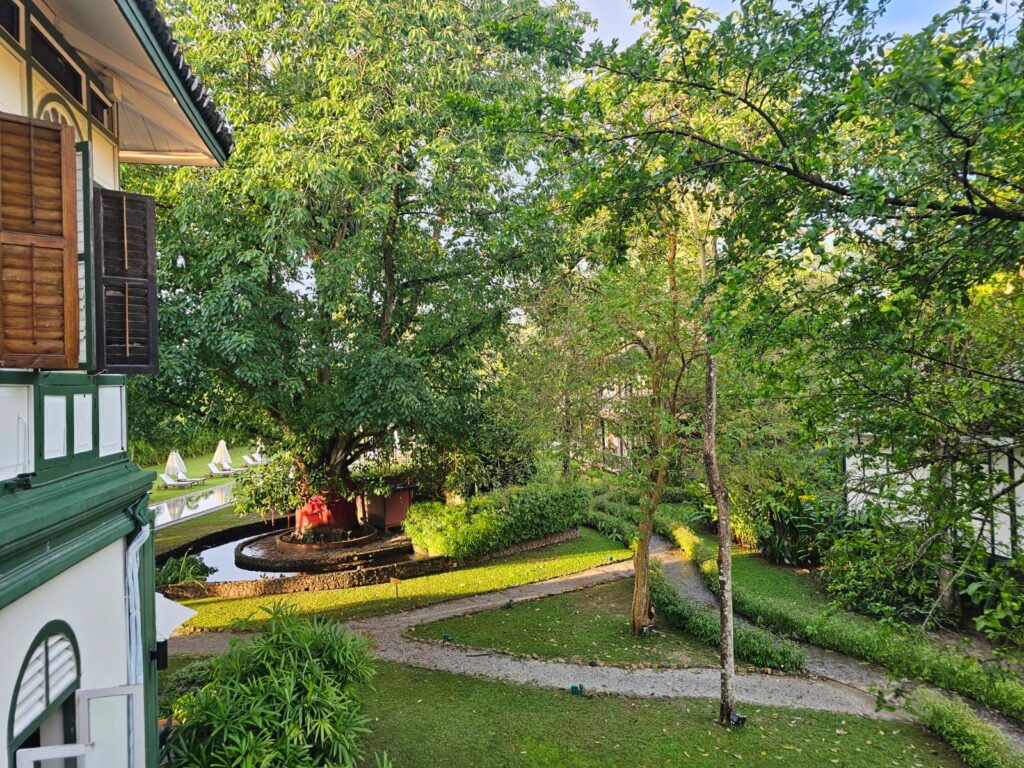 Some have ornate wooden bathtubs. It is also the accommodation generally recommended for guests travelling with pets.
Penang House, formerly located near Gurney Drive, was built by a Chinese contractor in the early 1930s.
Its architecture incorporates colonial, Chinese, Indian and Islamic design elements. The original facade colours have been retained, and two separate entrances lead into interconnected units.
Negeri Sembilan House, originally a family home in Mantin, is arguably one of the resort’s most visually striking buildings.
Its black-and-white exterior is enlivened by beautiful coloured-glass windows, while its raised platform and spacious front verandah reflect traditional Malaysian architectural wisdom.
Straits House, a roughly 90-year-old residence from Penang, has been transformed into an elegant four-bedroom private villa with its own swimming pool and garden.
Its original wooden flooring and ornate ceiling lattices have been preserved, while specially commissioned Oriental wardrobes and cheerful yellow and blue interiors introduce contemporary vibrancy.
For families or groups of friends, it offers the appealing prospect of having an entire heritage residence to themselves.
The Italian woman preserving Malaysian history
Much of Temple Tree’s present-day personality comes from Irene (below), an Italian hospitality professional whose enthusiasm for the property is infectious.
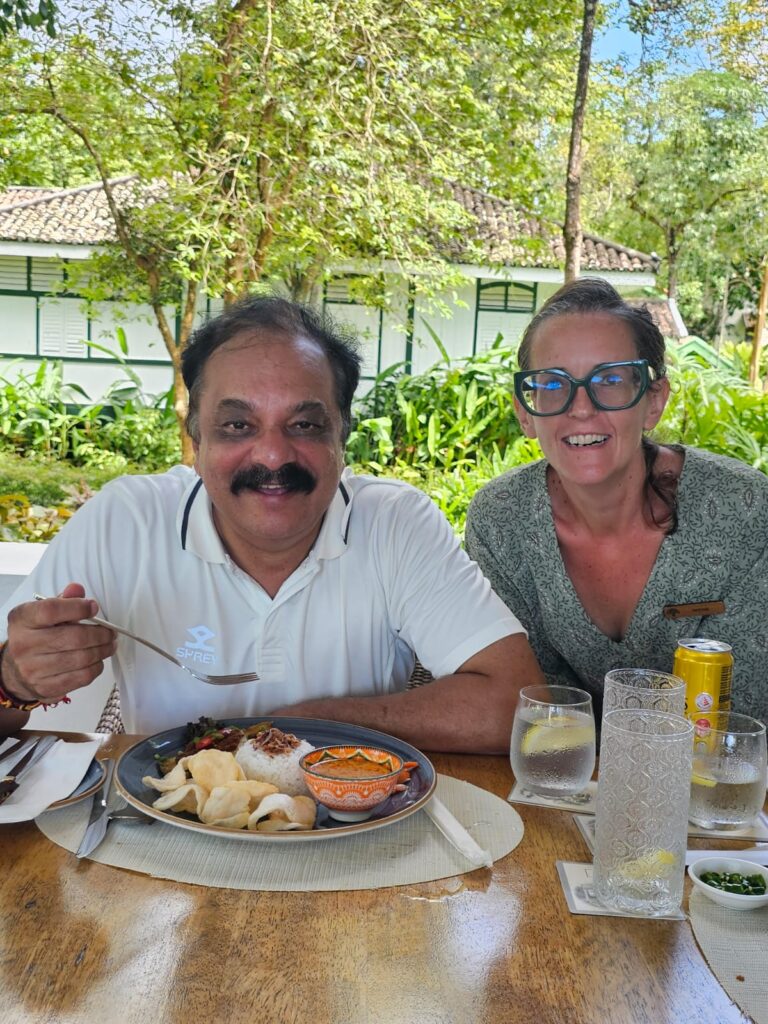 She joined the resort after its current owner, Mark Simmons, took over in 2018 and embarked on extensive landscaping and renovation.
“When I came, I fell in love with the trees and all the stories about all these houses,” she told me.
She initially managed the restaurant before being promoted to resort manager a year later.
Coming from a country that treasures its architectural heritage, Irene understands the importance of preserving Malaysia’s historic buildings.
For her, Temple Tree’s biggest attraction is not simply its accommodation but the stories behind it.
“They want to experience something,” she said of today’s international travellers. “They want to learn something about the culture.”
 Maintaining century-old wooden buildings, however, presents formidable challenges.
Termites, humidity, ageing timber and roof deterioration require constant attention. A Singaporean pest-control company conducts regular inspections, while maintenance teams follow weekly and monthly schedules.
Larger restoration projects are undertaken annually.
Irene also credits her assistant, Falzan, and the resort’s employees for helping create a welcoming environment.
“It’s a teamwork, actually. It’s not only mine,” she said.
That collaborative spirit goes a long way towards explaining the resort’s personal touch.
Dining with history
Paloh Restaurant & Bar is another compelling reason to spend time at Temple Tree.
Housed within Ipoh House, it combines nostalgic Malaysian flavours with contemporary culinary influences.
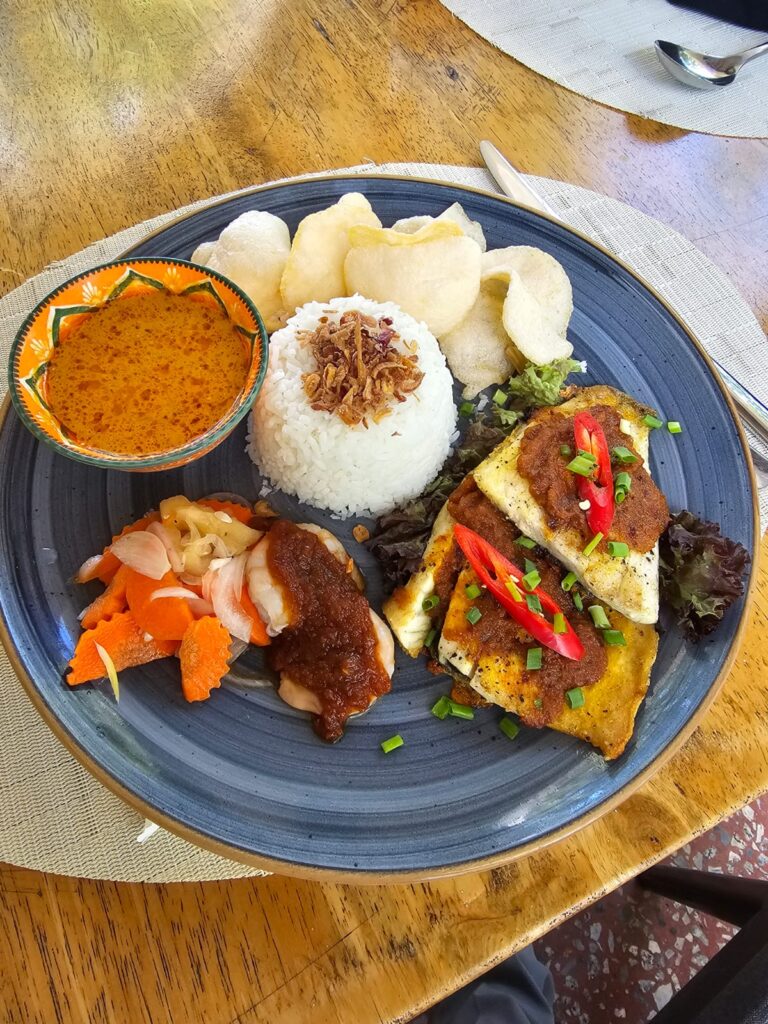 Its Heritage Menu celebrates traditional Nyonya and Malay dishes alongside Western offerings.
The restaurant’s open-air deck overlooking the swimming pool is an inviting place to unwind.
Irene’s background as a trained sommelier adds another dimension to the dining experience. She began working in Italian restaurants at 17, and her passion for wine was inspired by her grandfather, who made wine at home.
Temple Tree’s signature cocktails also reflect considerable imagination.
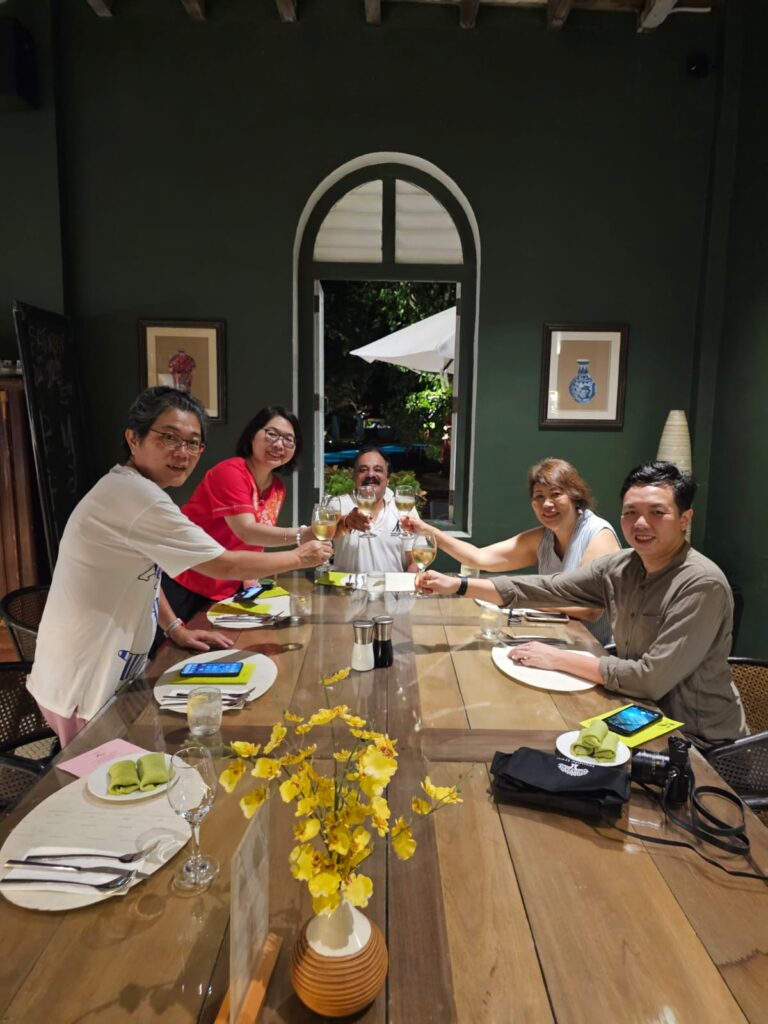 The Giant Kiss, for example, reinterprets the familiar Malaysian sago dessert through a cocktail featuring gula melaka, locally produced rum and sago.
It is precisely this willingness to celebrate local flavours in unexpected ways that complements the resort’s broader heritage philosophy.
A sanctuary away from the crowds
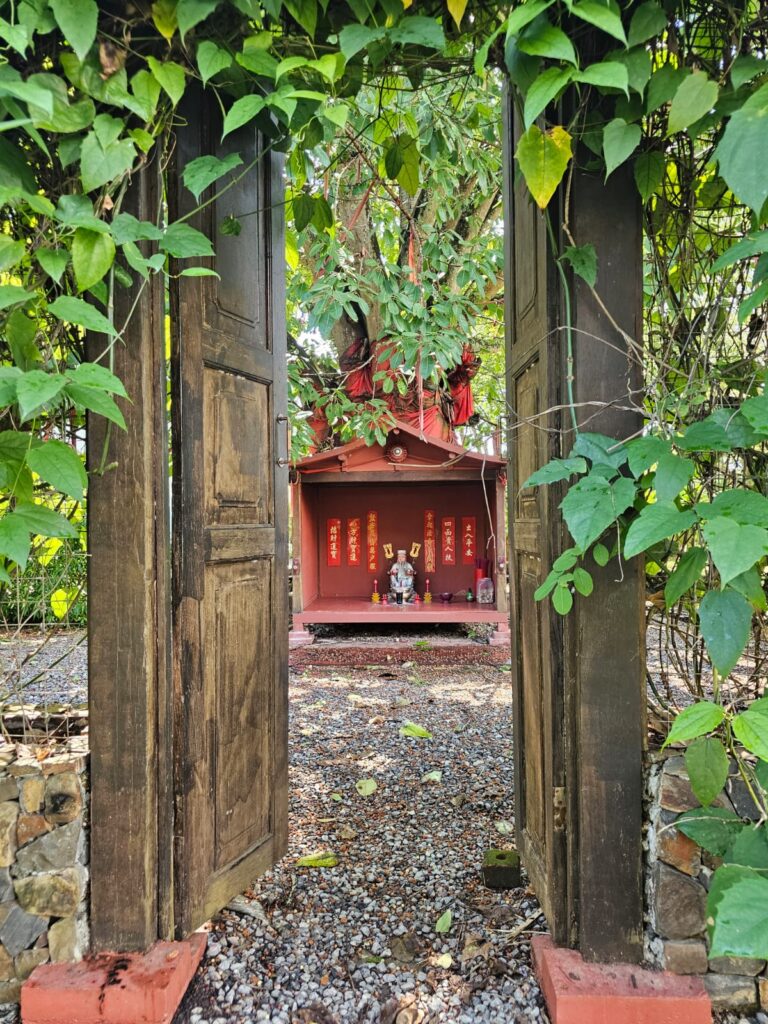
Temple Tree takes its name from a magnificent banyan tree with a small Chinese Taoist shrine nestled beneath it.
The shrine predates the resort, and locals still occasionally visit to offer prayers.
The mature trees, tropical vegetation and friendly resident cats contribute enormously to the property’s tranquil, homely atmosphere.
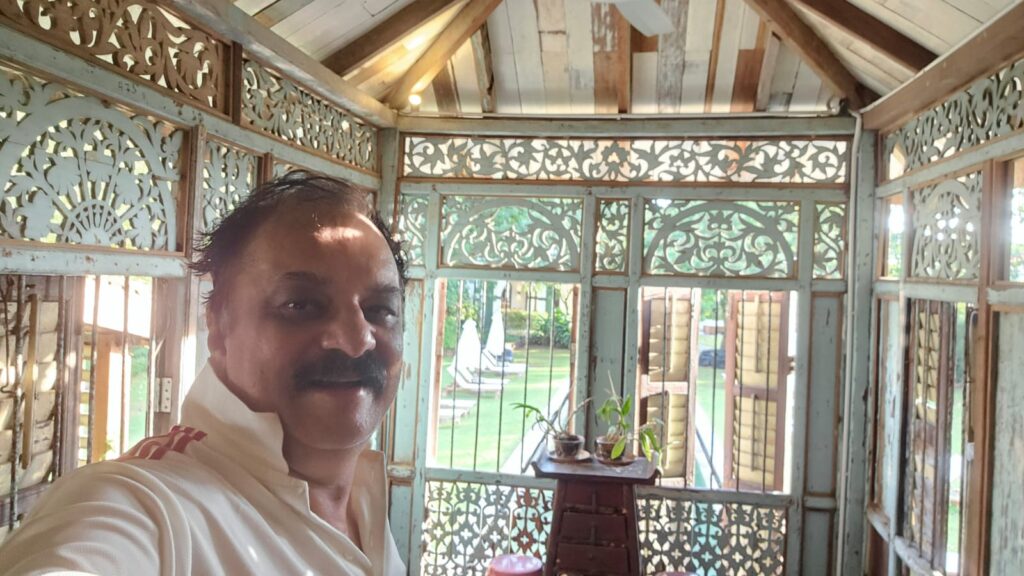 The resort’s origins are also closely connected with the Langkawi Animal Shelter and Sanctuary.
Temple Tree does not have direct beachfront access, but I found its peaceful plantation setting an attraction in itself.
For guests wanting the best of both worlds, Irene has introduced the Temple Tree Beach Experience at Pantai Kok, complete with transport, sun loungers and beach essentials.
She said many international visitors divide their holidays between Temple Tree and beachfront resorts.
The heritage property attracts travellers from Britain, France, Australia, China and other international markets, alongside Malaysians seeking a connection with their cultural roots.
Its distinctive approach earned Temple Tree the Best Boutique Hotel in Asia accolade at the TTG Travel Awards in both 2023 and 2024.
More than a hotel
There are inevitable quirks when staying in historic wooden houses. Floorboards can creak, sound travels more readily than in concrete buildings, and nature is never far away.
But removing these characteristics would diminish the very authenticity that makes Temple Tree special.
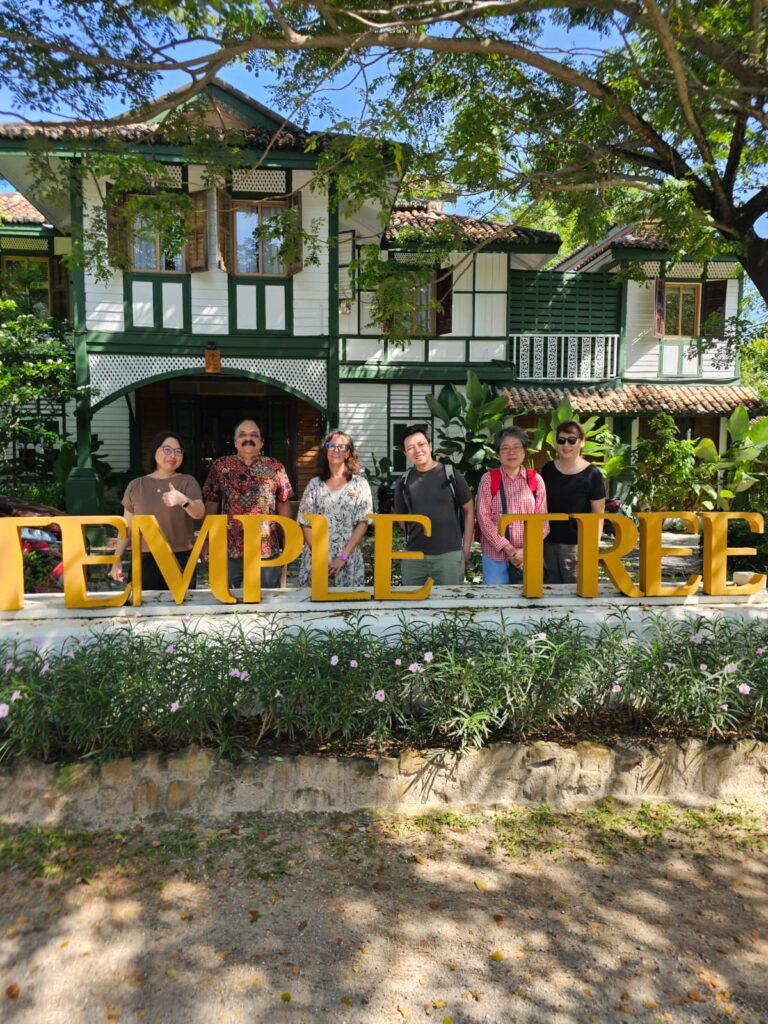 As my three-day visit drew to a close, I found myself appreciating not only the beauty of the houses but the foresight of those who rescued them and the dedication of those who continue to maintain them.
In an age when hotels increasingly resemble one another, Temple Tree has achieved something extraordinary by preserving its individuality.
It is a place where architecture becomes storytelling, conservation becomes hospitality and a holiday becomes an education in Malaysian history.
Irene believes the resort should become a destination in its own right for visitors seeking to understand Malaysia’s cultural heritage.
I couldn’t agree more.
Langkawi has no shortage of beautiful resorts. But few can offer the experience of living inside eight different chapters of a country’s history.
Temple Tree does precisely that – with warmth, imagination and a generous measure of soul.
Rooms at Temple Tree resort (templetree.com.my) range from RM500 to RM900 a night, while booking one of its eight houses costs between RM900 and RM3,000. Rates vary according to seasons.
Booking directly on the Temple Tree Resort Offers page provides up to 35% off daily rates. Notable packages include the Weekday Hideaway (3 days/2 nights from RM1,140 for 2 adults with daily breakfast and high tea) and the Lovers’ Hideaway (3 days/2 nights from RM1,800 for 2 adults).
Langkawi Beyond the Beaches: Nature and Creativity
Langkawi may be synonymous with beautiful beaches, duty-free shopping and spectacular sunsets, but during my recent three-day stay, I discovered two experiences that revealed an entirely different side of the Malaysian island.
A three-hour boat tour through ancient mangrove forests and a hands-on pottery class proved equally enriching, offering fascinating insights into Langkawi’s natural wonders and local craftsmanship.
Into the mangrove wilderness
My boat journey through the Kilim Karst Geoforest Park, part of Langkawi’s UNESCO Global Geopark, was a spectacular introduction to the island’s ecological treasures.
As we glided along emerald-green waterways, towering limestone cliffs, dating back hundreds of millions of years, rose dramatically around us. Dense mangrove forests, with their tangled roots and interlocking branches, created an almost prehistoric landscape.
 The experience was wonderfully immersive. The ecosystem supports an incredible variety of wildlife, including kingfishers, long-tailed macaques, monitor lizards and mudskippers.
Among the most spectacular attractions are the brahminy kites and white-bellied sea eagles soaring overhead.
Beyond the scenery, I gained a deeper appreciation of mangroves and their vital role in protecting coastlines against storms and providing breeding grounds for marine life.
The park’s limestone caves, hidden waterways and floating fish farms add further dimensions to the adventure.
What makes this excursion particularly appealing is its accessibility. Travelling in a covered motorised boat requires little physical exertion, making it ideal for families with children and elderly visitors.
I would recommend choosing an environmentally responsible operator that avoids feeding wild eagles and disturbing their natural habitats.
Getting creative with clay
From exploring nature’s creations, I moved on to making something with my own hands at Ilham Ceramic Studio in Kampung Bendang Baru, near Kuah.
Founded by fourth-generation Langkawi islander and trained ceramicist Radzi Ismail, the studio operates within his family compound, offering an authentic kampung experience.
Working with clay was surprisingly therapeutic. There is something immensely satisfying about transforming an ordinary lump of earth into something meaningful through patience, imagination and the movement of your fingers.
The two-hour beginner-friendly workshop, priced at around RM135 per person, allows participants to create three ceramic pieces, typically a cup, a plate and a Langkawi-inspired creation.
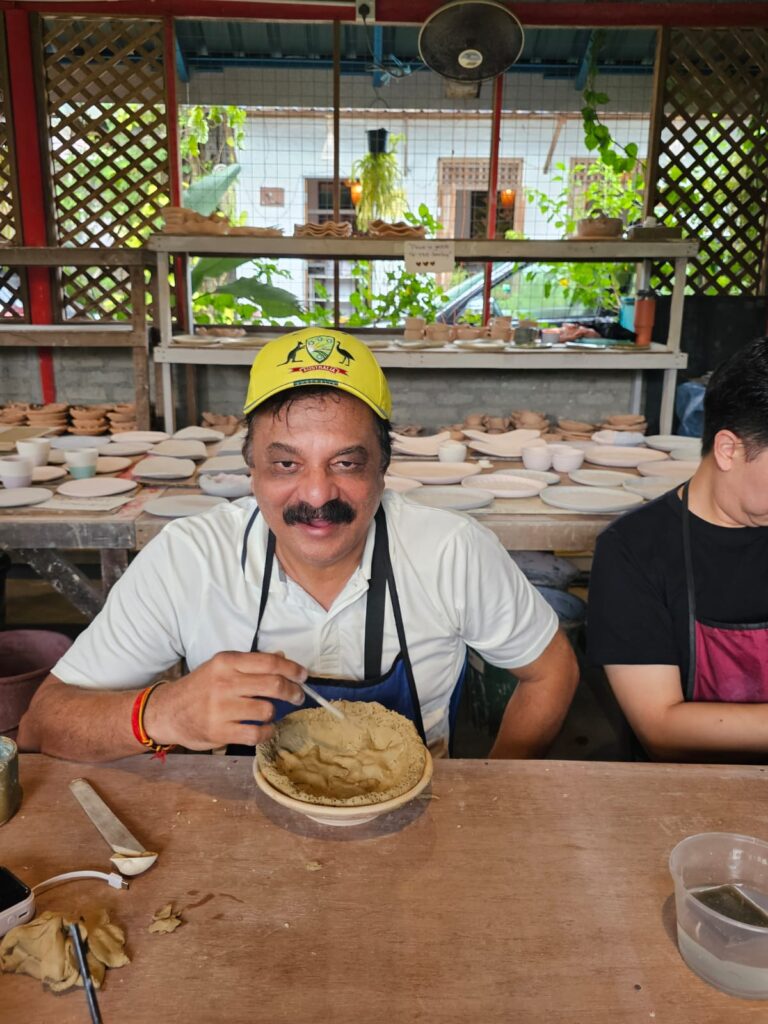 Patient instructors encourage individual creativity, while the working kilns and ceramic gallery provide insights into the craftsmanship behind pottery.
The neighbouring family-run MakLang Café, serving traditional Kedah delicacies, adds to the experience.
What I particularly enjoyed was the warmth and simplicity of the setting. It felt more like visiting a creative local family than attending a commercial tourist activity.
Fish, chips and an ice-cold beer
Another highlight of my Langkawi getaway was a thoroughly enjoyable lunch at Scarborough Fish & Chips, the iconic blue-painted seaside eatery along Tanjung Rhu.
There is something wonderfully liberating about sitting beside the Andaman Sea, enjoying freshly fried fish and chips with an ice-cold beer, while the sea breeze washes over you.
Scarborough has been delighting visitors for more than 16 years, and it is easy to understand why.
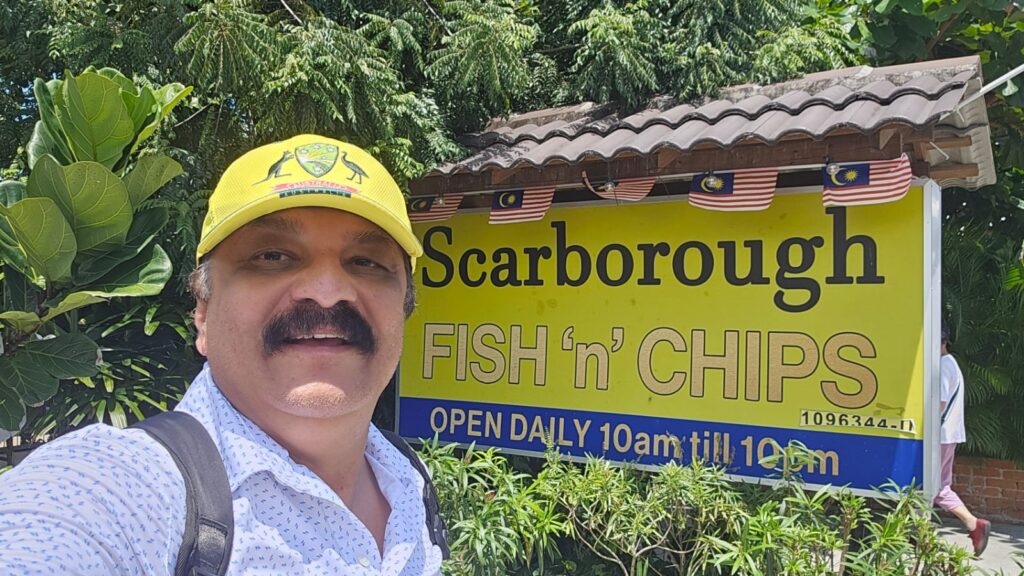 Unlike conventional fish-and-chip restaurants, it offers an impressive selection of fish, ranging from affordable dory to barramundi, halibut, red snapper and salmon.
I particularly enjoyed the contrast between the light, crispy golden batter and the moist, flaky fish inside. Thick-cut chips, fresh salad and a squeeze of lemon completed the satisfying meal.
The cold beer was the perfect accompaniment in Langkawi’s tropical weather.
There was nothing pretentious about the place – just good food, rustic wooden tables, magnificent sea views and a wonderfully relaxed island atmosphere.
For visitors exploring northern Langkawi, particularly after a mangrove excursion, Scarborough is an excellent lunch stop.
These three experiences reminded me that Langkawi’s charm extends far beyond its conventional tourist attractions.
Whether discovering ancient ecosystems, shaping clay or savouring a delicious meal by the sea, the Jewel of Kedah offers plenty of opportunities to slow down, reconnect and enjoy life’s simple pleasures.